Via Dolorosa
Via Dolorosa
- 2021
- Palestine, Germany
- 21'
- English
-
- Tue 24
- March
- 18h45
- Saint André des Arts 3
- Book
- + débat/Q&A
-
© Oraib Toukan -
© Oraib Toukan -
© Oraib Toukan
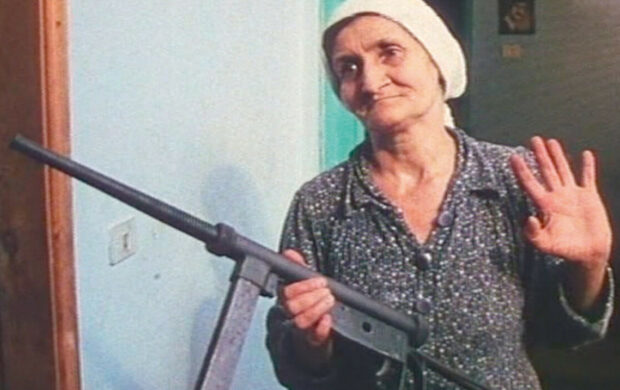
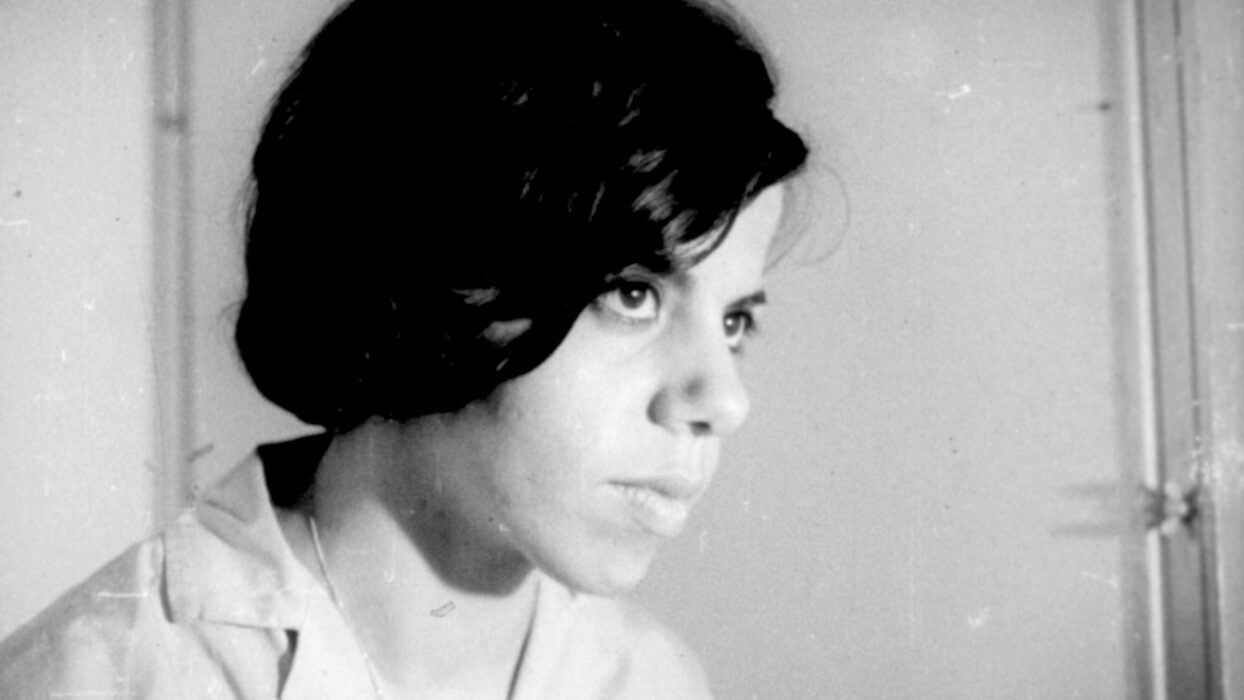
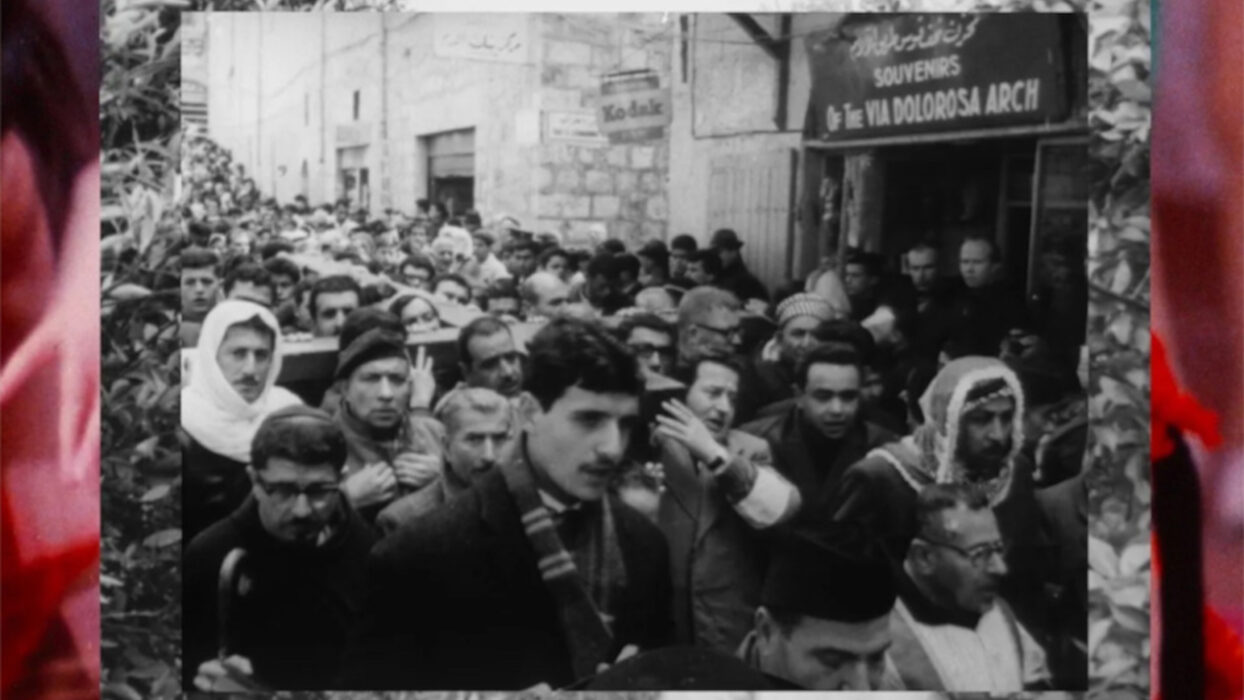
“In 2014, Ala Younis and I were looking at discarded film material from two defunct Soviet cultural sites in Amman. Among propaganda, Russian-language inter-communist materials, we found early Palestinian films from 1967–69. Some were filmed by the late Palestinian photographer and cinematographer Hani Jawharieh before he became a revolutionary. So we started to ask around. We were told that Jawharieh filmed newsreels for the Jordanian Ministry of Information and Culture by day and developed images of a Palestinian popular uprising by night as part of a Fateh collective called the Palestine Film Unit (PFU). Yasser Arafat was said to have once hidden in their darkroom. But the more I learned about him, the more Jawharieh became a large moon hanging in my sky that never grew in size no matter how much I moved toward him. That is the problem of revolutionary narratives: The person behind them becomes obscured. Then I read a beautiful elegy by his close friend, the late painter Vladimir Tamari, in which he recalls Jawharieh’s hand reaching for an egg from a chicken coop behind his house in Shu’fat, Jerusalem, where they both grew up—how “the egg appeared so brilliantly white” nestled in Jawharieh’s hand, as if he were guarding it. Reading this, I grasped the dignity and care the filmmaker put into his tender compositions.
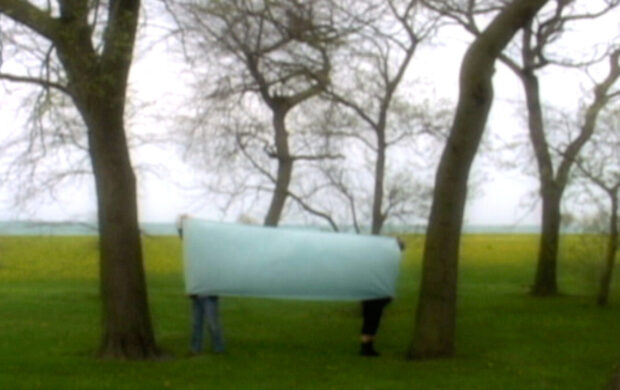
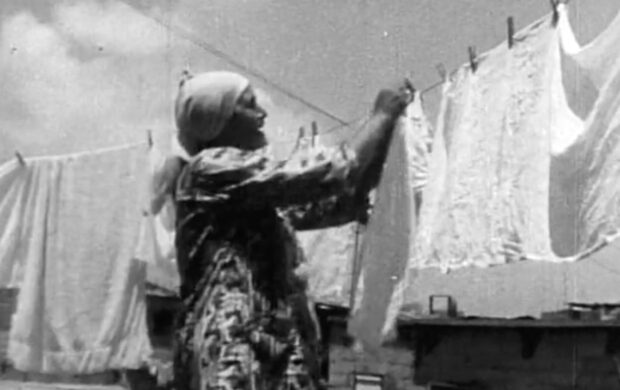
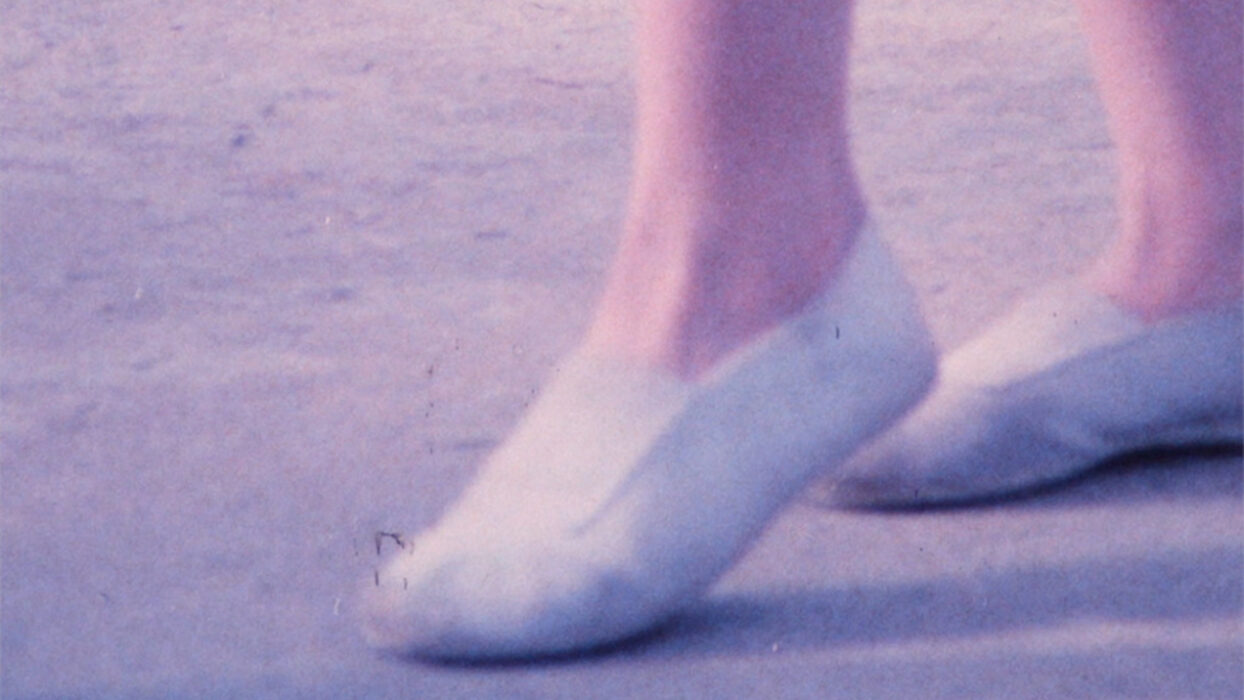
Via Dolorosa somehow lies there, in that egg. The film is composed of that salvaged film material. I try to delve deep into the intricate details behind these images—this is hard to do, as there was no archive and much has been destroyed—to see more of Jawharieh’s gaze. This is the magnificence of working with restored, digitized, 16-mm archives. You are able to see so much more. The archives also contain really difficult images from the 1967 war—images that one might capture but cannot process, like the charred or injured body. After all, the PFU were recent cinema graduates who returned home and suddenly had to face their own loss, grief, and displacement. Their artistic aspirations were also shaped by the anticolonial project, which might explain why their approach diverges from someone like Harun Farocki, who in the same period advised against graphic images in visual testimony of war: “You’ll close your eyes to the pictures, then you’ll close your eyes to the memory, then you’ll close your eyes to the facts.” The film is interwoven with commentary from scholar Nadia Yaqub, who has long thought about Arab film and literature produced under violent and precarious conditions and how these very local contexts influence theoretically inclined political filmmaking in the West, like Jean-Luc Godard.”
Oraib Toukan
-
- Tue 24
- March
- 18h45
- Saint André des Arts 3
- Book
- + débat/Q&A
- Subtitles : original version in English with French subtitles
- Production company : Oraib Toukan
- Photography : Oraib Toukan
- Sound : Oraib Toukan
- Editing : Oraib Toukan
- Music : Wael Alkak