Mahmoud Darwish: As the land is the Language
Mahmoud Darwich : et la terre, comme la langue
- 1997
- France
- 59'
- Arabic, French
-
- Wed 25
- March
- 18h30
- Saint André des Arts 3
- Book
- + débat/Q&A
-
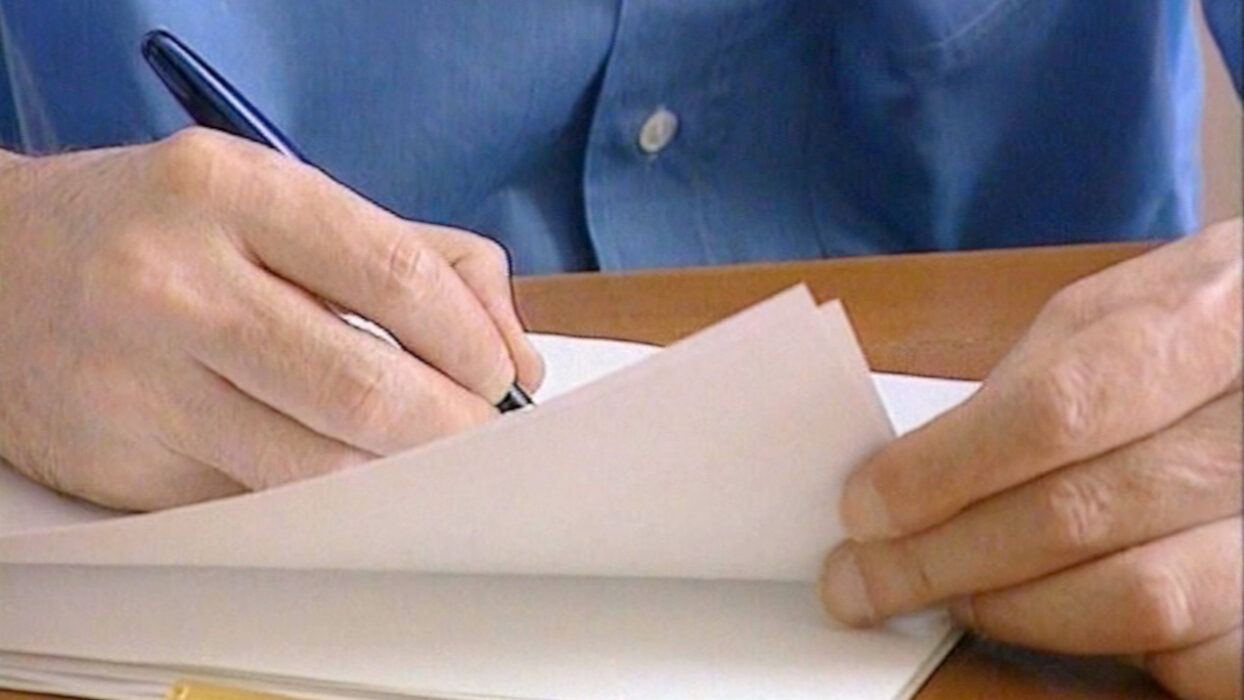
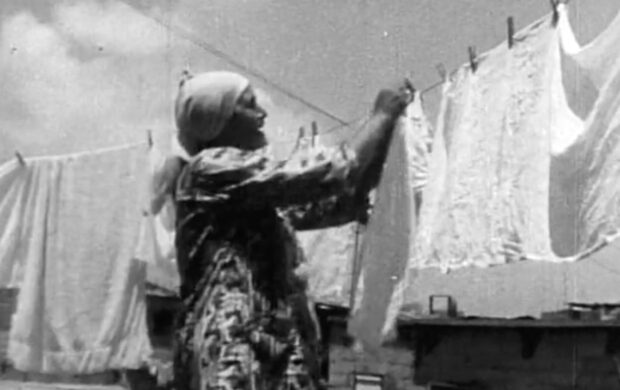
© Simone Bitton _ Elias Sanbar _ Point du Jour -
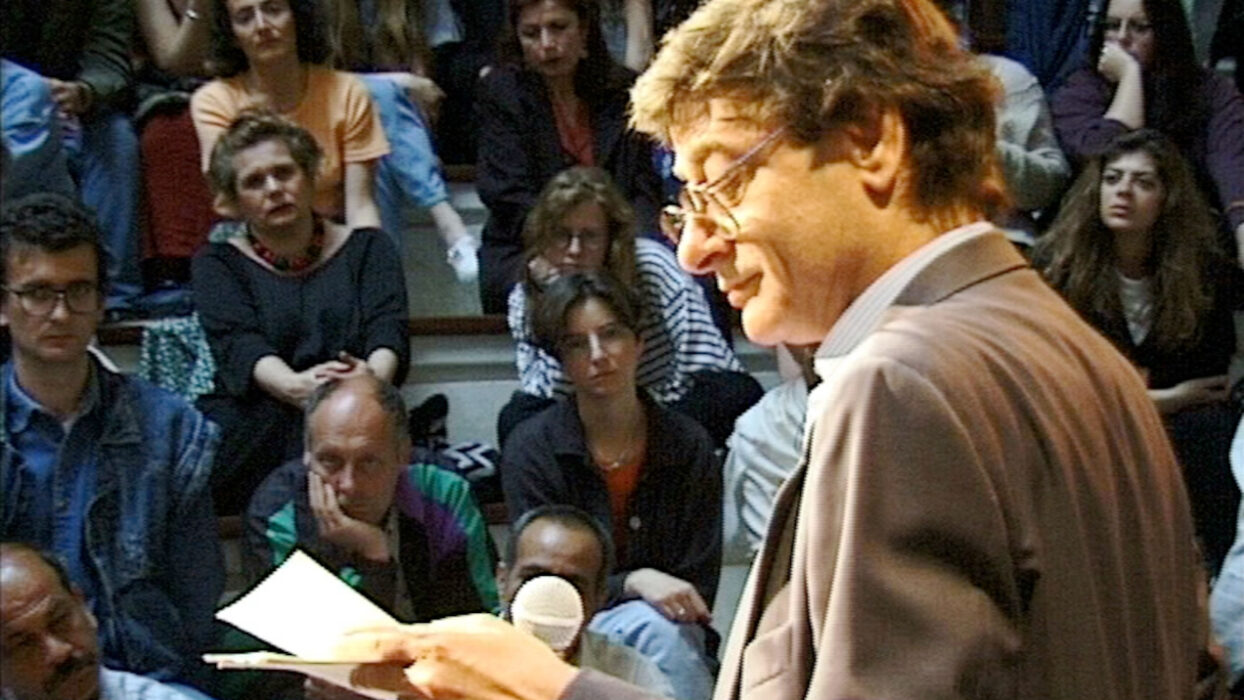
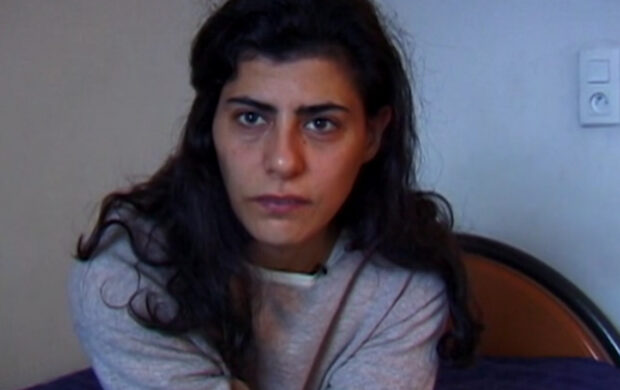
© Simone Bitton _ Elias Sanbar _ Point du Jour -
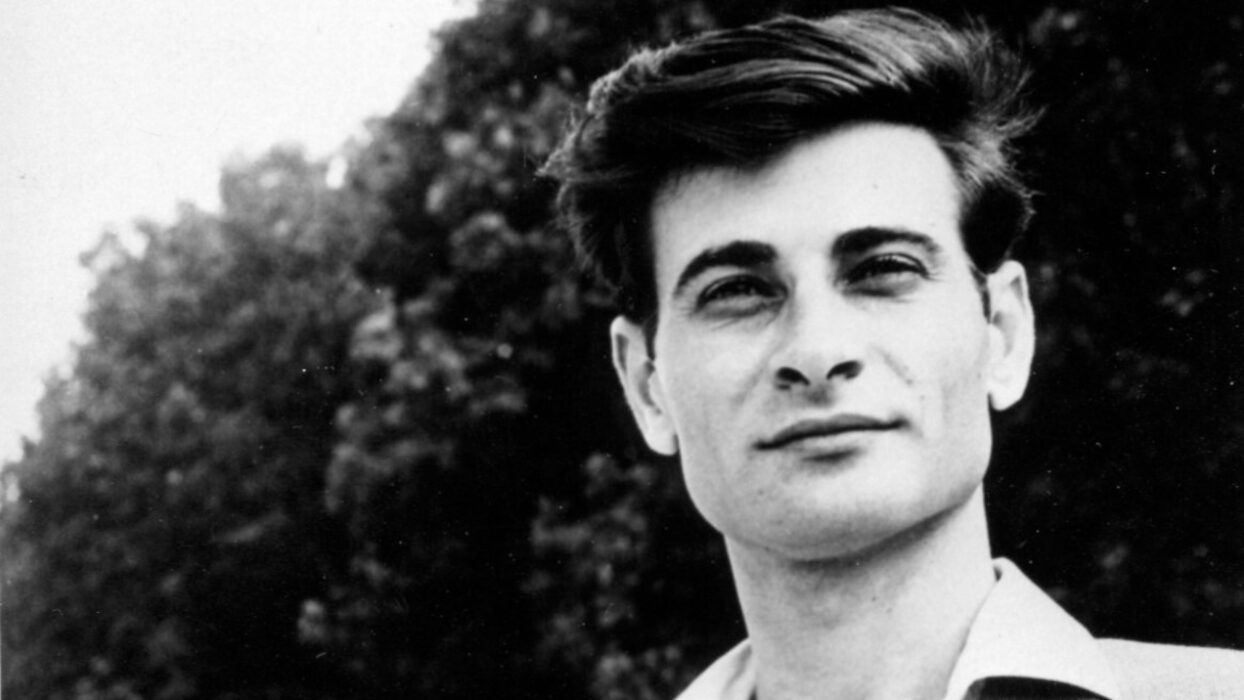
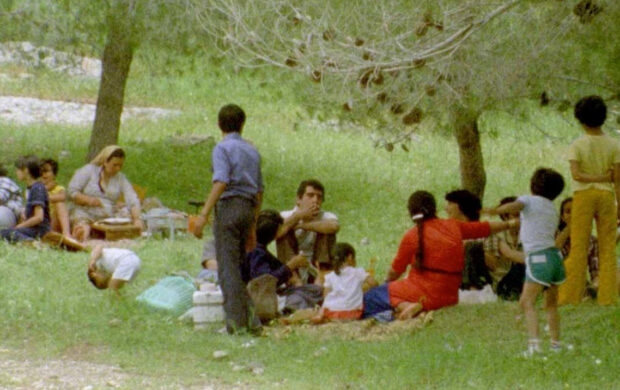
© Simone Bitton _ Elias Sanbar _ Point du Jour
“In Arabic, the same word, ‘bayt’, denotes both ‘house’ and ‘poetic verse’. We made this film around this idea, as we inhabit the poems of Mahmoud Darwish, they are part of our lives, as is exile.
Darwish is one of the greatest contemporary Arab poets. For us, who experience the Middle East tragedy every day, he is both a moral compass and a friendly, familiar voice. He is the traumatised child, cast onto the roads of exile during the Palestinian exodus of 1948, who through his poetry re-inscribes the name of his razed village on the world map. But he is also someone who challenges others, speaks to them and searches for what is human in them.
In the West, it is hard to imagine the immense popular enthusiasm for the great poets of the East. In the Arab world, not only does poetry have a larger readership than novels, but it is also a living Art, recited in public by its authors. This is why we wanted to make a film that was more than a biographical portrait of Mahmoud Darwish: our ambition was to share the intense emotion stirred up by his words, his metaphors, his inimitable rhythm. We developed this film around his voice and borrowed its rhythm from him.
We did not interview witnesses or experts. We wanted him to tell his own story, as we think he is his own best critic, be it of his work, his life, his inner struggle between the intimate and the collective, classicism and modernism, memory and the present. As our man is constantly travelling, we followed his suitcase, from Jordan to the West Bank, from Paris to Tunis, from Cairo to Beirut. We filmed the poet not only as he moved around, but also filmed his absence. We filmed his forbidden Galilee as he sings it. We wanted to film exile and the poetry that springs out of exile.
By ironically calling history’s patriarchs, saints, prophets and conquerors to the sickbed of his promised land now lost, Darwish has created a modern Andalus, infused with humanism and tolerance, but also with impertinence and eroticism. An Andalus that is no longer a place or bygone golden age, but a psychological state and contemporary aesthetic. “All the prophets are my kin, but heaven is still far from its earth, and I am still far from my words…”. It is this nomad elegance which appears in each verse of a poetry collection opened randomly that this film aims to make known and loved.
Mahmoud Darwish detests movie cameras. We were well aware of his shyness, but we took up the challenge in all simplicity and friendship: a friendship that has formed our bond for many years, and which both of us are honoured to share with him. Without this complicity, the task would have been impossible.”
Simone Bitton and Elias Sanbar, 1998
-
- Wed 25
- March
- 18h30
- Saint André des Arts 3
- Book
- + débat/Q&A
- Subtitles : original version with French subtitles
- Production company : Point du Jour International
- Print Contact : Simone Bitton / simonebitton55@gmail.com
- Photography : Gonzalo Arijon, Jean-Michel Humeau, David Ben Shitrit
- Sound : Richard Anstey, Paulo De Jesus, Thomas Pietrucci, Marie-Madeleine Larigaldi
- Editing : Mireille Abramovici
- Music : Marcel Khalifé