Fertile Memory
الزاكرة الخصبة
- 1980
- Palestine, Belgium
- 104'
- Arabic
-
- Tue 24
- March
- 21h15
- Saint André des Arts 3
- Book
- + débat/Q&A
-
© Michel Khleifi _ Marisa Films _ Sourat Films -
© Michel Khleifi _ Marisa Films _ Sourat Films -
© Michel Khleifi _ Marisa Films _ Sourat Films
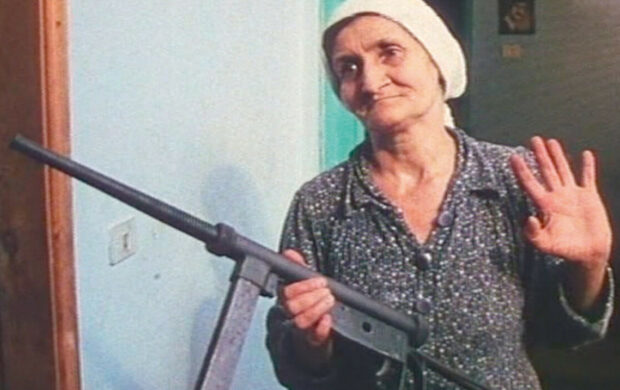
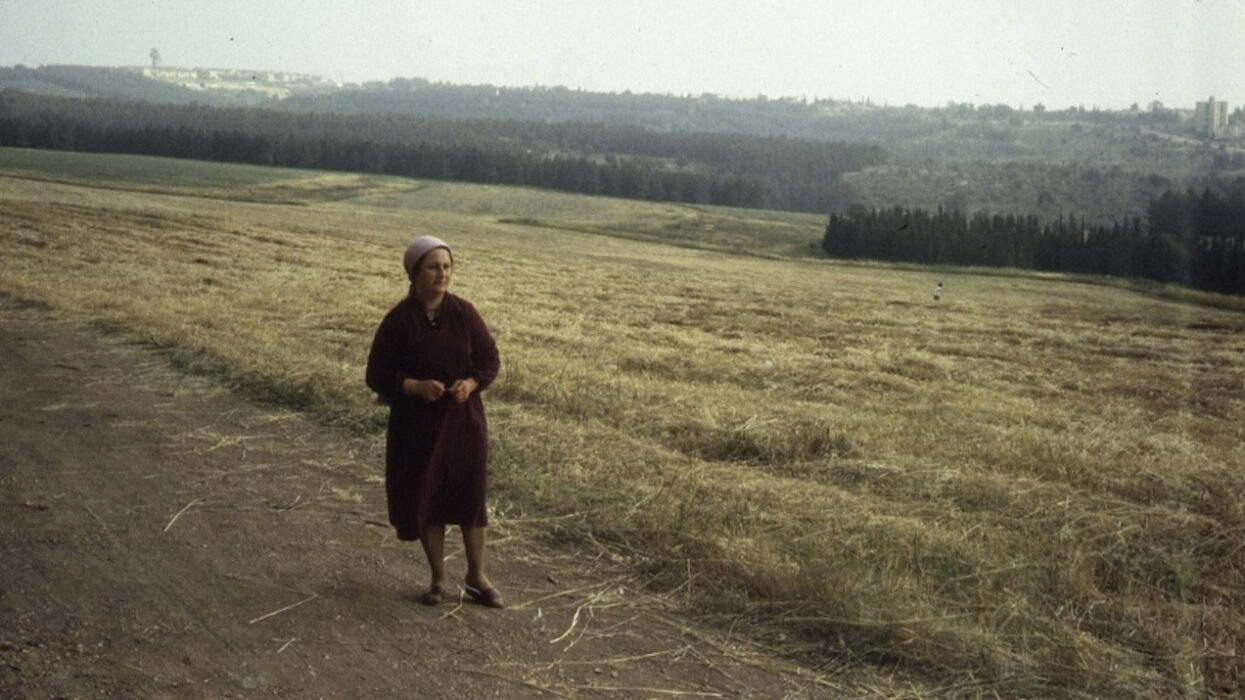
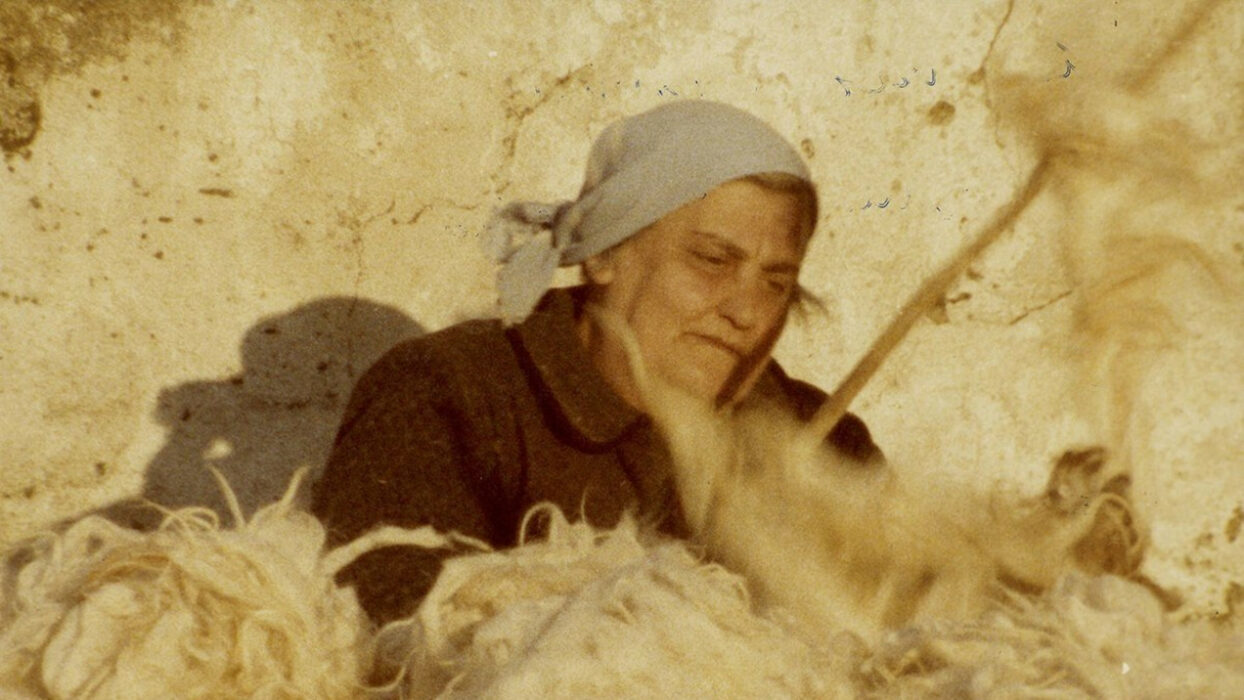
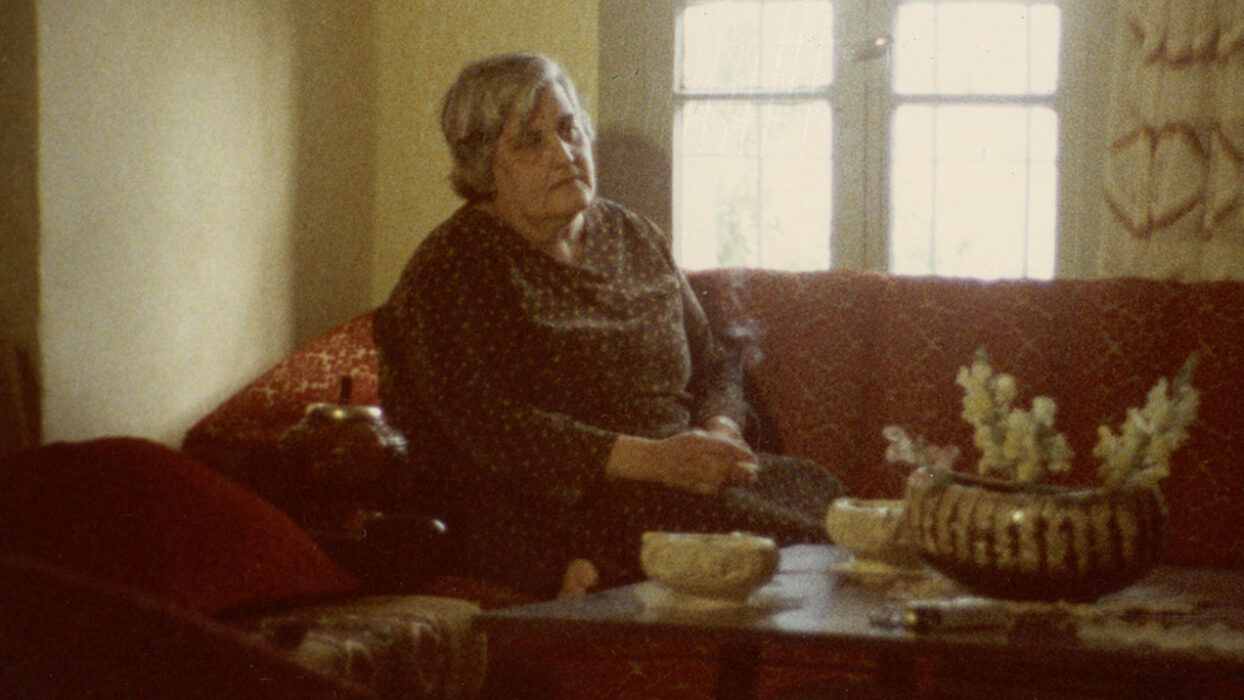
Fifty-year-old Farah Hatoum lives in Nazareth, in Galilee. Sahar Khalifeh, a young Palestinian novelist from Ramallah lives in the occupied Palestinian West Bank. Although very different, both women are faced with Israeli occupation and the obstacles facing women in Arab societies.
After making a series of television reports on Palestine, where he was born, with Fertile Memory, Michel Khleifi approaches a more personal cinema: the creative documentary.
He draws the portrait of the two women. Farah is an elderly widow who now works in a factory after being dispossessed of her land. With an unshakeable obstinacy, she refuses to accept the compensation offered to her by the Israelis. Sahar, on the other hand, is an intellectual. As a divorcee, she pays the price for her independence and her right to write with her solitude. By filming these two characters who represent different social circles and generations, Michel Khleifi touches on the status of women more broadly. They have to fight on all fronts: externally, to stand up to aggressions from the state of Israel; in their own lives, to defend themselves against the diktats of a patriarchal society; and finally, with themselves, to choose their path and, courageously, their points of refusal. The tone of the intellectual resonates like an interview/reflection or a conversation/meditation. It differs from the old woman’s tone, which is reminiscent of a family saga and an emotional memory.
While this film touches on the fundamental problems of a society and nationality, it does so without rigidity, and rather through impressionistic touches drawn from everyday gestures and reflections on life. Peeling vegetables, taking the bus, changing a child’s nappy, doing the housework, watching television as a family, thinking about the dead and the absent, singing (there’s a lot of singing in this film) all become totally cultural actions.
(Avilafilms.be)
-
- Tue 24
- March
- 21h15
- Saint André des Arts 3
- Book
- + débat/Q&A
- Subtitles : original version with French subtitles
- Production company : Marisa Films, Sourat Films
- Print Contact : Elisa Lagarde / elisa@imanefares.com
- Photography : Yves Vander Meeren, Marc-André Batigne
- Sound : Ricardo Castro
- Editing : Moufida Tlatli
- Music : Jacqueline Rosenfeld, Janos Gillis