Juries
Feature film jury
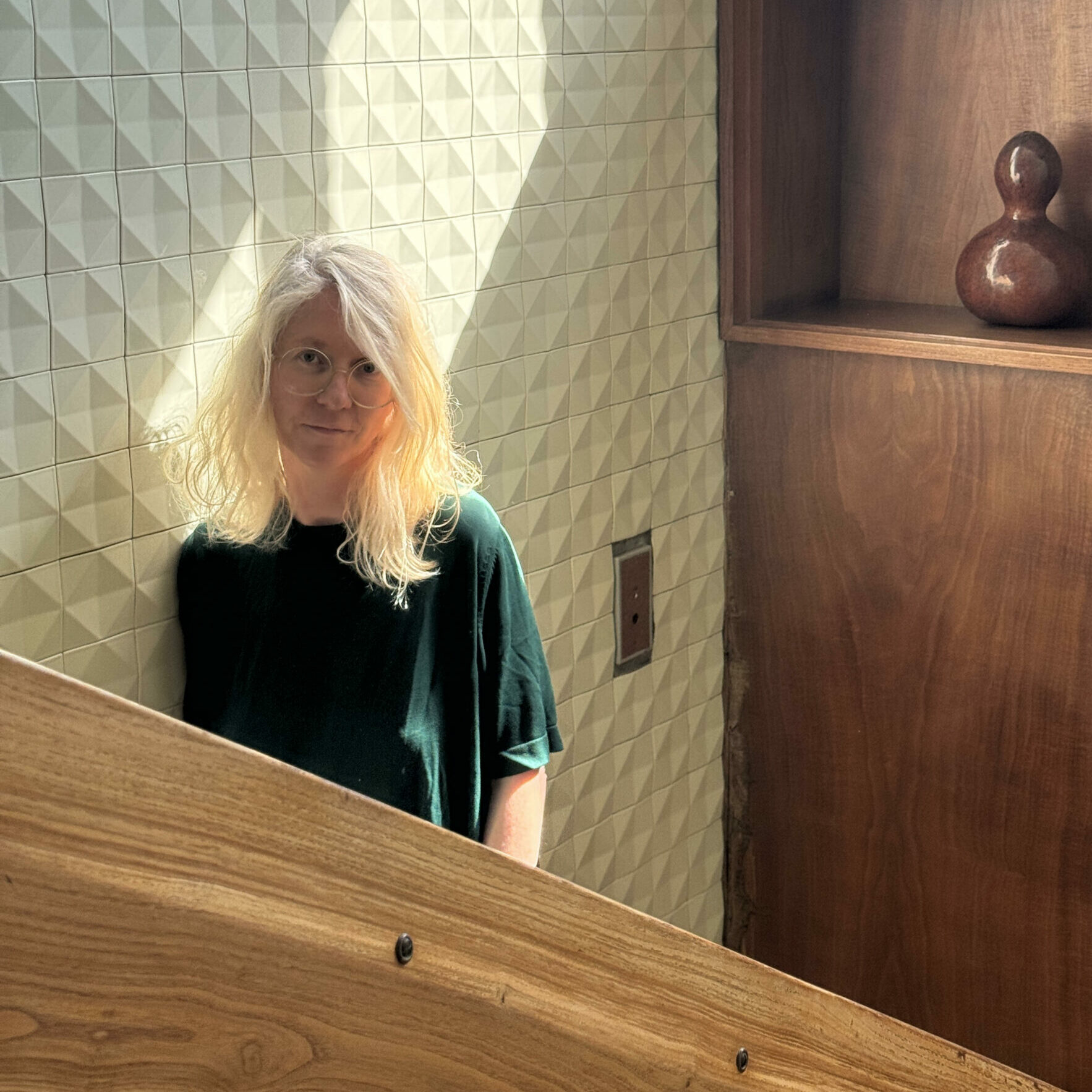
Félicia Atkinson was born in 1981 in Paris and currently lives on the wild coast of the English Channel. She has been composing music since the early 2000s and has released several records and a novel with Shelter Press, the record label and publisher she co-runs with Bartolomé Sanson. Her work includes collaborations with musicians such as Jefre Cantu Ledesma, Chris Watson, Christina Vantzou, and Stephen O’Malley, as well as ensembles including Eklekto (Geneva) and Neon (Oslo). She has performed at venues and festivals such as INA GRM/Maison de la Radio and the Philharmonie (Paris), Public Records (New- York), and the Barbican Centre (London). She has also worked musically with filmmakers including Ben Rivers, Chivas de Vinck, Bingham Bryant, Asher Rosen, Charles-André Coderre, Paul Clipson, and Pier Philip Chevigny.
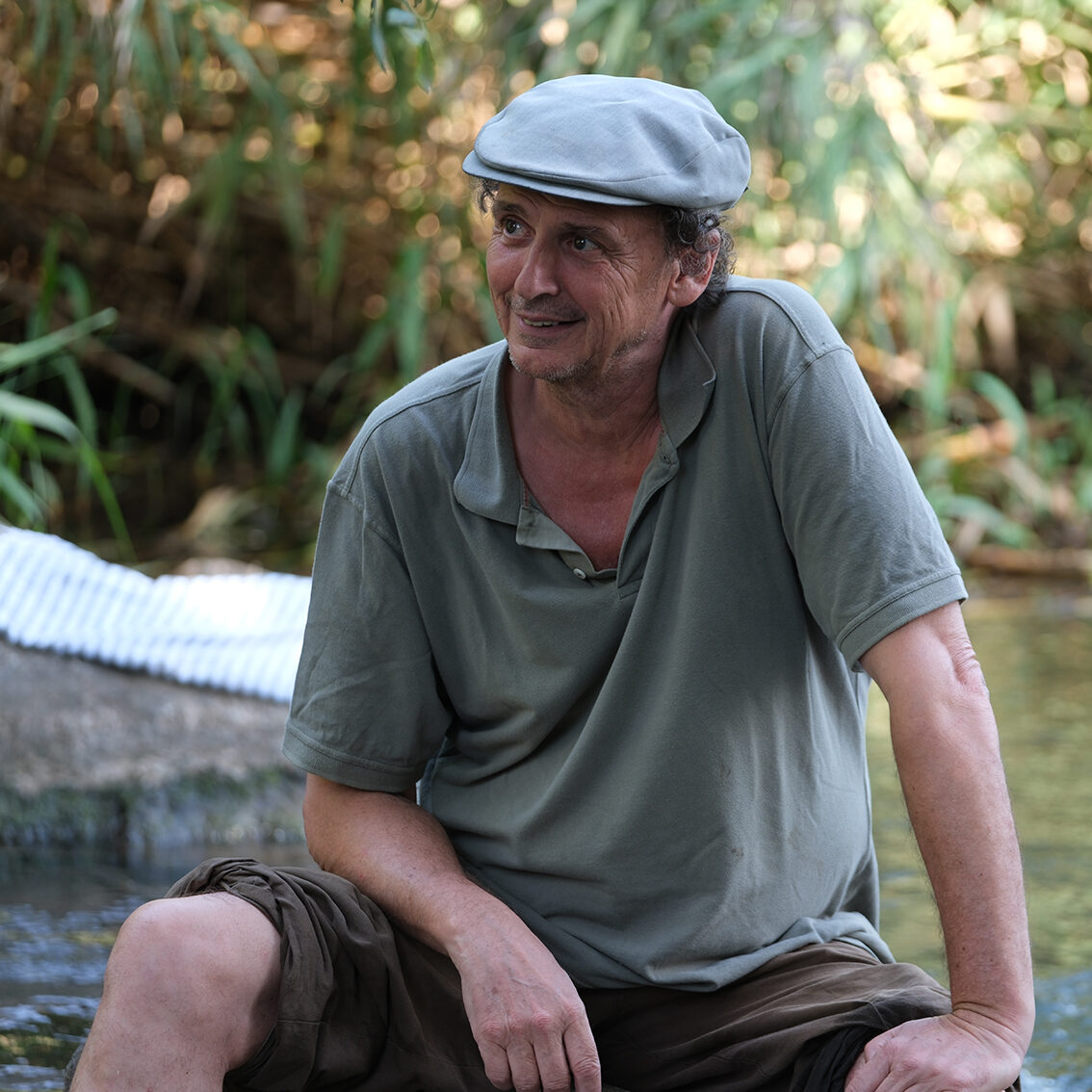
José Luis Guerin, as a director and screenwriter, has combined fiction and documentary, blurring the boundaries between the two genres. José Luis Guerin has presented his film in festivals such as Venice (Official Selection), Cannes (Un Certain Regard, Directors’ Fortnight), Berlin (Forum), San Sebastián (Official Competition), and several times in Locarno, Rotterdam, and Tokyo. He is perhaps one most acclaimed by the critics and most popular the Spanish filmmakers at international festivals. He had retrospectives at festivals and major cultural centers such as the Centre Georges Pompidou (Paris) and the Harvard Film Institute. He won the National Film Award in 2001 and the Goya Award for Best Documentary in 2002.
© Óscar F. Orengo / Los ilusos films
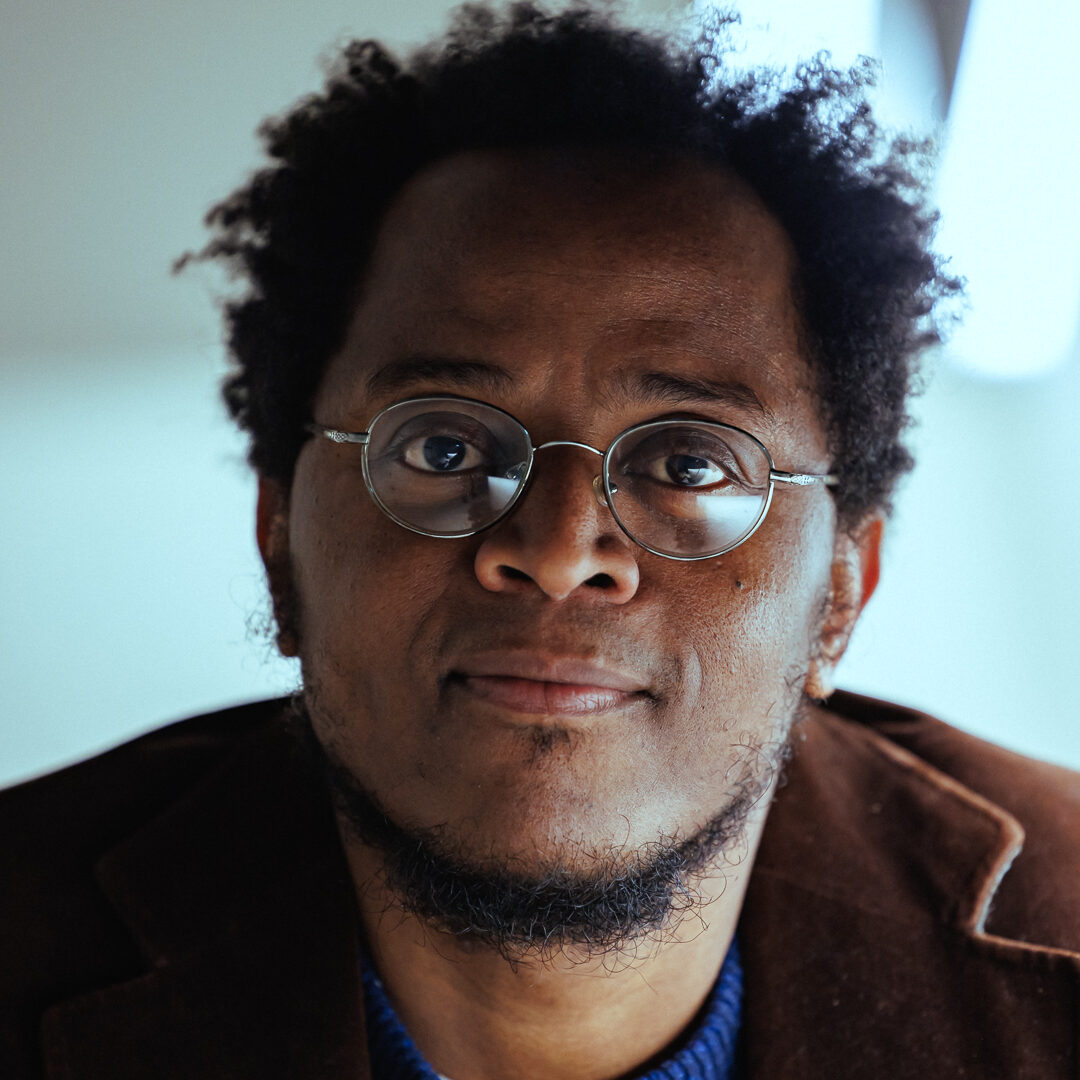
Born in Kinshasa, Alain Kassanda left the DRC for France at the age of 11. After studying communication, he has been staging cycles of movie showings in various Parisian theaters. He then became the programmer of an art house cinema for five years, in the suburbs of Paris, before moving to Ibadan, in southwestern Nigeria, from 2015 to 2019.There he directed Trouble Sleep. The film received the Golden Dove for best film at the Dok Leipzig festival in 2020. This was followed by Colette and Justin, which received the Gilda Vieira de Mello prize at FIFDH. Coconut Head Generation his third film received the Grand prize at Cinéma du réel in 2023.
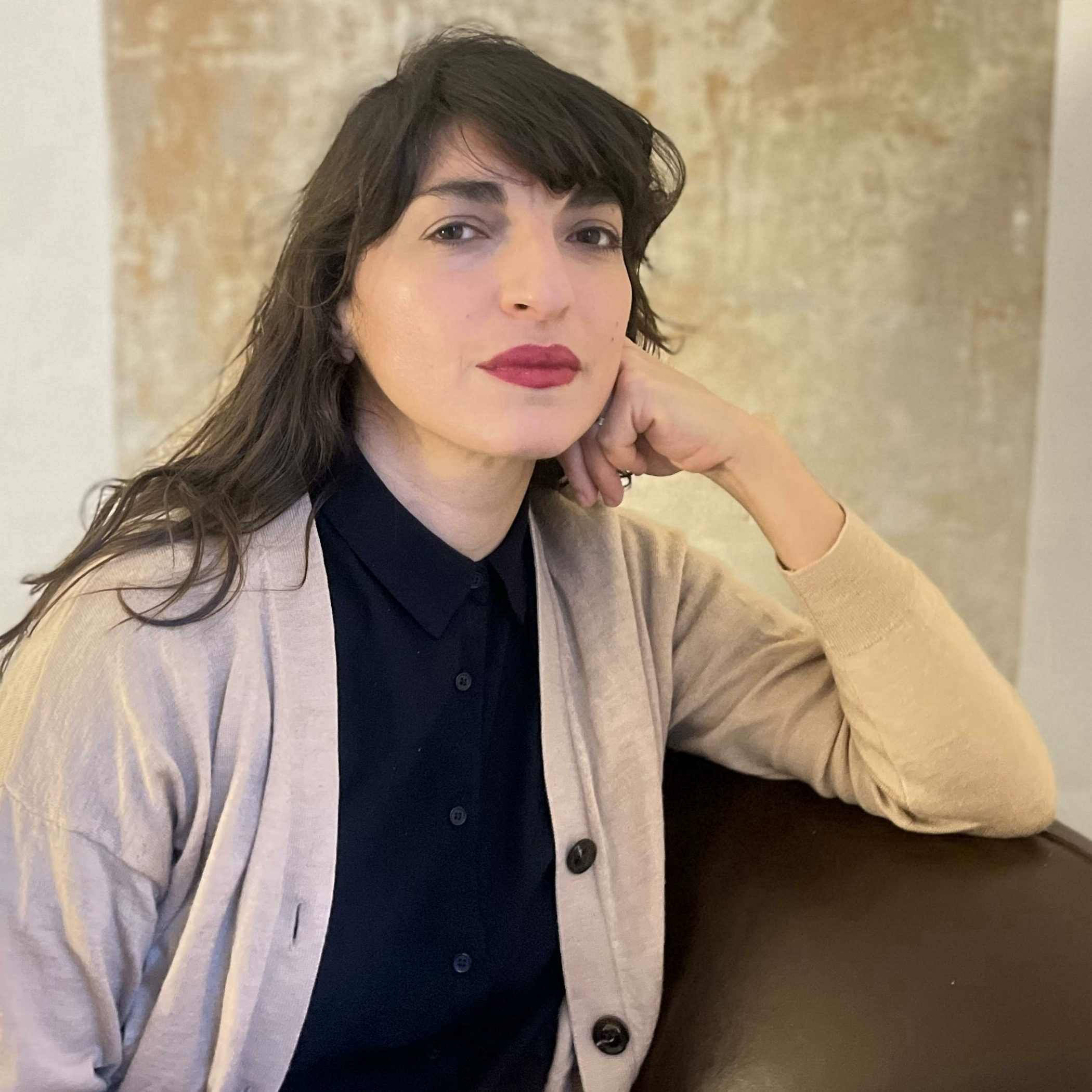
Bani Khoshnoudi is an Iranian filmmaker and visual artist whose work explores exile and modernity, as well as image and archive, the memory of antifascist struggles. She has shown her films, photography and installation work internationally in festivals and museums including the 60th Venice Biennale, the Centre Pompidou, MoMa, Fondation Cartier, Fundación PROA, BOZAR and Fundação de Serralves. In 2022, she won the prestigious Herb Alpert Award for the Arts in Film/Video. Her latest film, The Vanishing Point, won Jury Prize in the Burning Lights Competition at Visions du Réel, Best Director’s Prize at Ficunam (Mexico City), the Youth Jury Prize at Filmmaker Festi (Milan), and the Grand Jury Prize at the Athens Avant-Garde Film Festival.
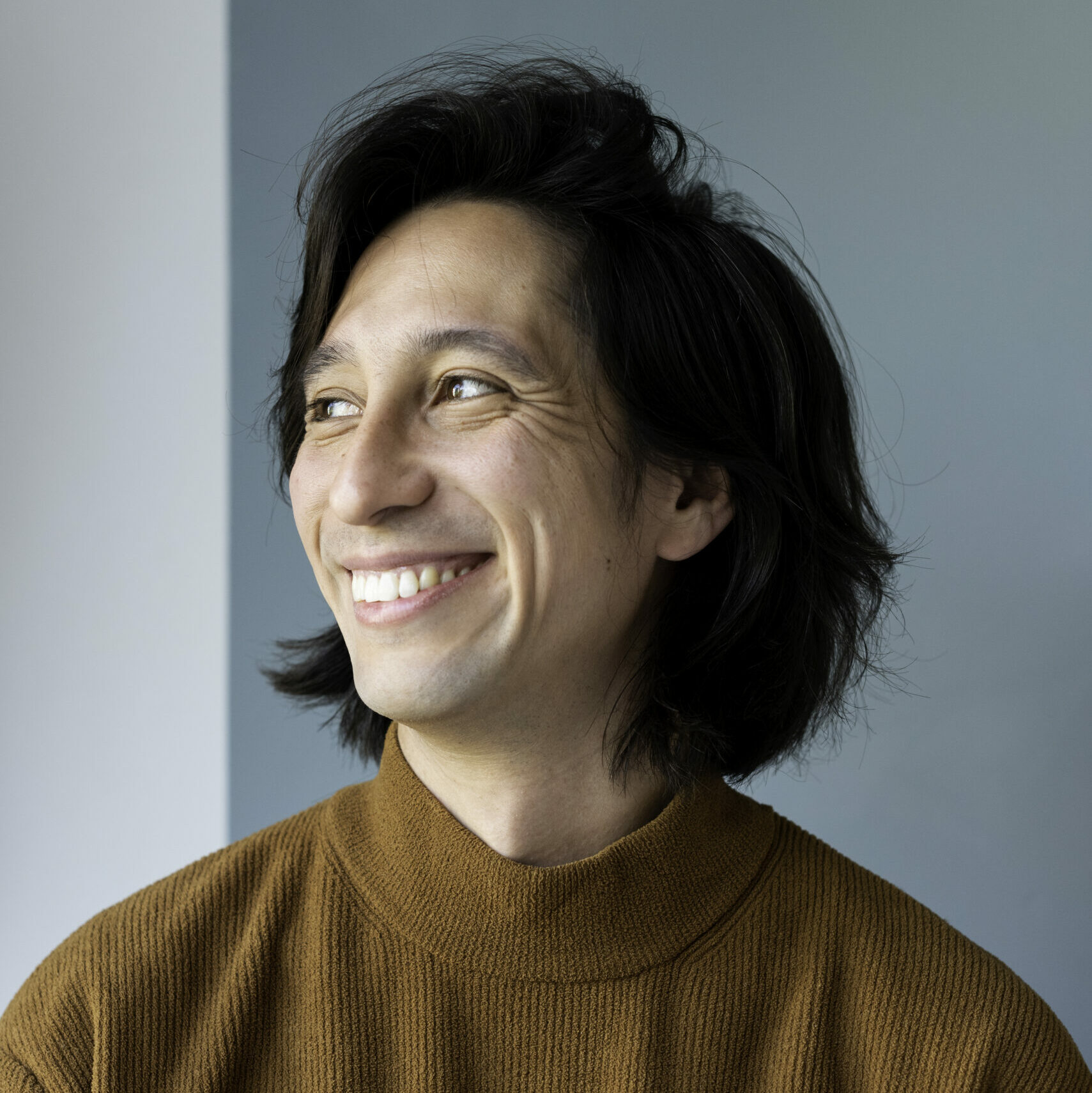
Julian Ross is Head of Film Programming & Distribution at Eye Filmmuseum in Amsterdam, the Netherlands. He was previously programmer at Doc Fortnight at MoMA (2023-24), the Flaherty Seminar (2024), International Film Festival Rotterdam (2015-22), and Locarno Film Festival (2018-20). His film programming and curatorial work has also presented at Tate Modern, Art Institute of Chicago, e-flux Video & Film, Kunsthal Rotterdam, Eye Filmmuseum, Tokyo Photographic Art Museum, Harvard Film Archive and British Film Institute. He was an Assistant Professor at Leiden University Centre for the Arts in Society and holds a PhD on 1960s Japanese expanded cinema at the University of Leeds.
SHORT FILM AND FIRST FILM JURY

Philippe Azoury is a film critic, writing for France Culture and Les Inrocks. He is also the author of several monographs, notably on Werner Schroeter, Jean Eustache, Jean Cocteau, the Velvet Underground. As a feature film screenwriter, he has co-written El Agua with Elena Lopez Riera. Finally, he is a psychoanalyst practicing in Paris.
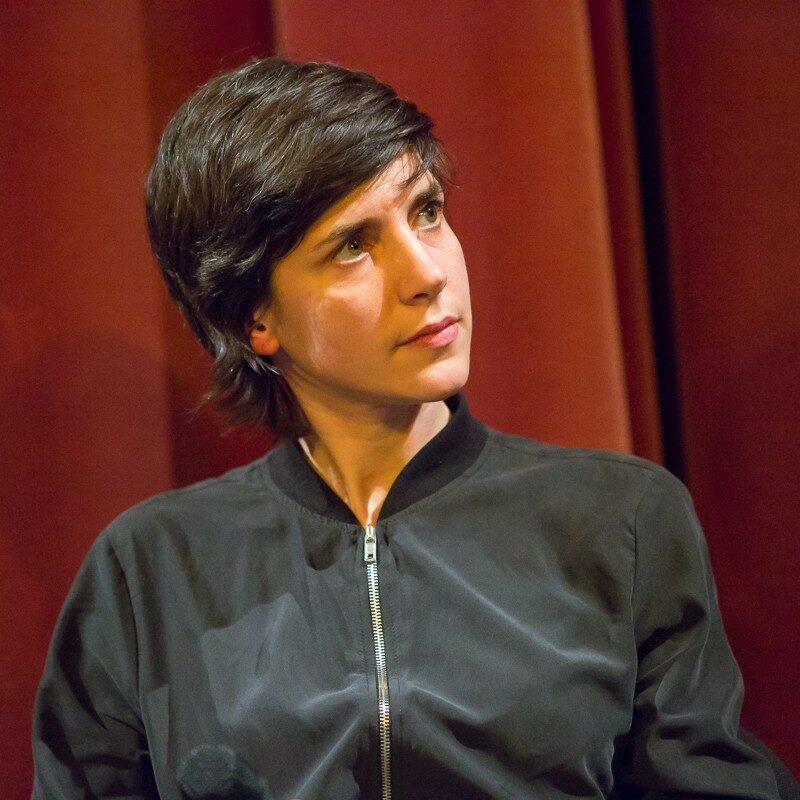
Filipa César is an artist, filmmaker, educator and community organizer. She is interested in the fluid borders between cinema and its reception, the politics and poetics of the moving image and the performativity of archival practices. Since 2011, César has been collectively researching the militant cinema practice of the African Liberation Movement in Guinea Bissau. With cine-kins and allies, she co-founded the Abotcha – Mediateca Onshore in Malafo.
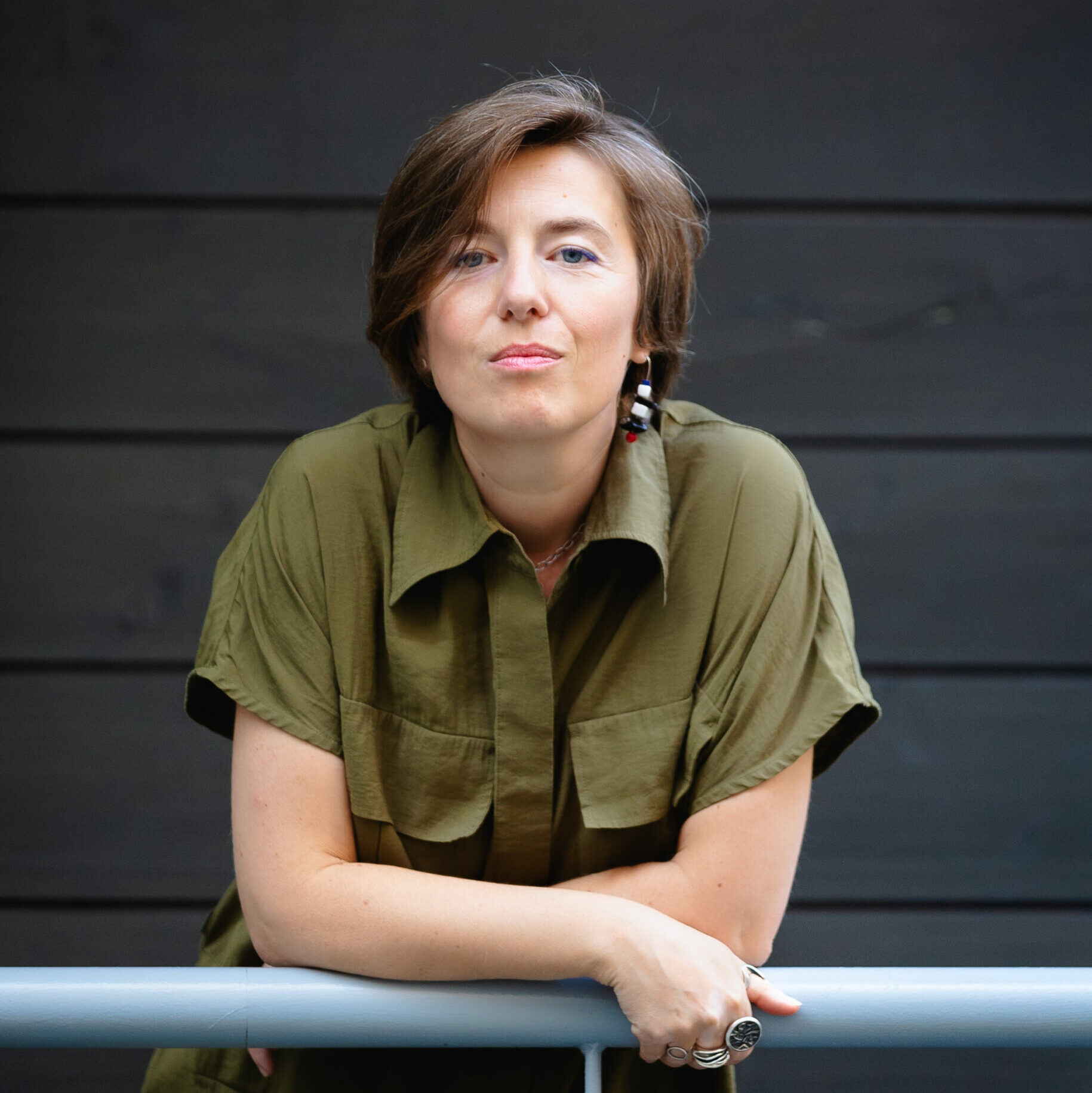
Kumjana Novakova is a moving image artist, working also as a film curator and lecturer. Her work has been exhibited at various venues, including the MoMA, the Tate Modern, and major film festivals. Her film Disturbed Earth (co-directed with G.C. Candi) has been shortlisted for the Academy Awards, while her last film Silence of Reason won numerous international awards. As a curator, Kumjana has contributed with a range of group exhibitions and interdisciplinary programmes throughout Europe. She was a Fall 2024-Winter 2025 MacDowell art fellow. Kumjana works nomadically from the spaces previously known as Yugoslavia and is currently based in Skopje, North Macedonia.
© Photographer Agnese Zeltiņa
Nour Ouayda est une réalisatrice et programmatrice de films. Elle est membre du Comité du Camélia avec Mira Adoumier et Carine Doumit et fait partie du comité éditorial de Hors Champ, la revue de cinéma en ligne basé à Montréal. Elle a été entre 2018 et 2023 la coordinatrice des partenariats puis l’adjointe à la direction à l’association Metropolis Cinema à Beyrouth où elle a géré et développé le projet Cinémathèque Beirut. Elle enseigne la programmation de films à Beyrouth.
Jonathan Pouthier is a graduate of La Fémis (École nationale supérieure des métiers de l’image et du son). Since 2011, he has been a collections curator at the Musée national d’art moderne – Centre Pompidou in Paris, where he oversees the programming of the film collection. He is the author of numerous essays on the relationship between cinema and the visual arts, and has curated several exhibitions. In 2024, he co-founded the music label Edited By and released conceptual artist and filmmaker Michael Snow’s final album, Music for Today.
JURY OF THE CLARENS AWARD FOR HUMANIST DOCUMENTARY FILMMAKING
Born in Paris in 1989, Hadrien Frémont studied fine arts at Sorbonne University in Paris, where he earned a master’s degree in “Spaces, places, exhibitions, networks”. He continued his studies at IESA Arts&Cultures in Paris, graduating with a degree in Marketing and Distribution of Contemporary Art. Starting out as an artist, he then worked in several art galleries and as an exhibition curator. Since late 2020, he has been working as a freelance art consultant and project and development manager in the cultural and nonprofit sector. He carries out assignments and produces podcasts, particularly for the Clarens Foundation for Humanism. He has also been an actor for several years with the Gepetto theatre company, reflecting a cross-disciplinary vision of culture.

After studying history and cinema, Raphaël Pillosio produced numerous documentary films and several fiction films with l’atelier documentaire, a company he co-founded with Fabrice Marache in 2007. Among the latest films he has produced are Ana Rosa by Catalina Villar, From where they stood by Christophe Cognet, Le fleuve n’est pas une frontière by Alassane Diago, Mon pire ennemi by Mehran Tamadon, Thun-le-paradis by Eleonor Gilbert, and L’Évangile de la révolution by François-Xavier Drouet. As a director, he has made three films about the Roma people in France: Route de Limoges, des Français sans Histoire and Histoires du carnet anthropométrique. He has also made two films exploring the relationship between militant cinema and the Algerian War: Algérie, d’autres regards and Les mots qu’elles eurent un jour (Cnap Award at Cinéma du réel 2025).
Isabelle Rèbre has directed a dozen films. Her feature film Pollock & Pollock was released in theaters in 2023. In her next film, she explores Alsatian memory in relation to the Struthof concentration camp. She is also a researcher and has published two essays questioning memory and mourning in cinema: “La dernière photographie. Sarabande de Ingmar Bergman”, La lettre volée (2017) and “Figures du deuil et du photographique. Formes du film-essai chez Naomi Kawase, Alain Cavalier, David Perlov” La Lettre volée (2025). She is also the author of works of fiction, including “Moi quelqu’un” Actes Sud Papiers (1998) and “Ton 8 mai 1945 et le mien”, France Culture, 2000. In 2025, she curated the exhibition “Quel travail ?” at the Centre d’art contemporain de Montreuil..

After studying at the London Film School, Maxence Vassilyevitch directed his short film Je suis présent in 2014 with the support of the G.R.E.C. He then made Saranac Lake (2017) and Planète X (2021), which concludes his exploration of group dynamics and confinement through the science-fiction genre. In parallel, he began a first documentary project, Midnight Kids (2020), which addresses the identity struggles of Inupiaq youth in Alaska. In 2025, his documentary portrait of actor and director Jacques Nolot, Je suis déjà mort trois fois (I have already died three times), was selected in competition at Cinéma du Réel.
How do we carry on living, afterwards, when we’ve grown up with a dictatorship, when we shaped our lives under this dictatorship, when it’s part of us ? Digging where it hurts is what Vanina Vignal has done in Roumania for her first films (Stella, Dimi, After the silence) and for her films in progress : in France (consequences of incest for 8 generations of her paternal family / French colonisation in the 19th century based on the archives of her “explorer-pacifier” ancestor), and in Germany (on borders and her own (lack of)-freedom). Her activity as a cineast is including cinema lectures she is giving in french and Romanian colleges, she is a film translator and a programer : for ADDOC, ACID, ACID Cannes, and lately she was the artistic director, together with Andrei Rus, for the International Documentary and Human rights Film Festival ONE WORLD ROMANIA.
YOUNG JURY
The Young Jury awards the Young Jury – GNCR Award to a feature film from the Competition. This year, the seven members of the Young Jury are accompanied by Juliette Grimont.
Juliette Grimont is a cinema programmer. She was actively involved in the opening of Le Gyptis and La Baleine cinemas in Marseille and in the reopening of the Saint-André des Arts in Paris. Strongly attached to experimental cinema and the theaters that defend it, she is an active member of the Groupement National des Cinémas de Recherche. She is also a film composer.
JURY DES BIBLIOTHÈQUES
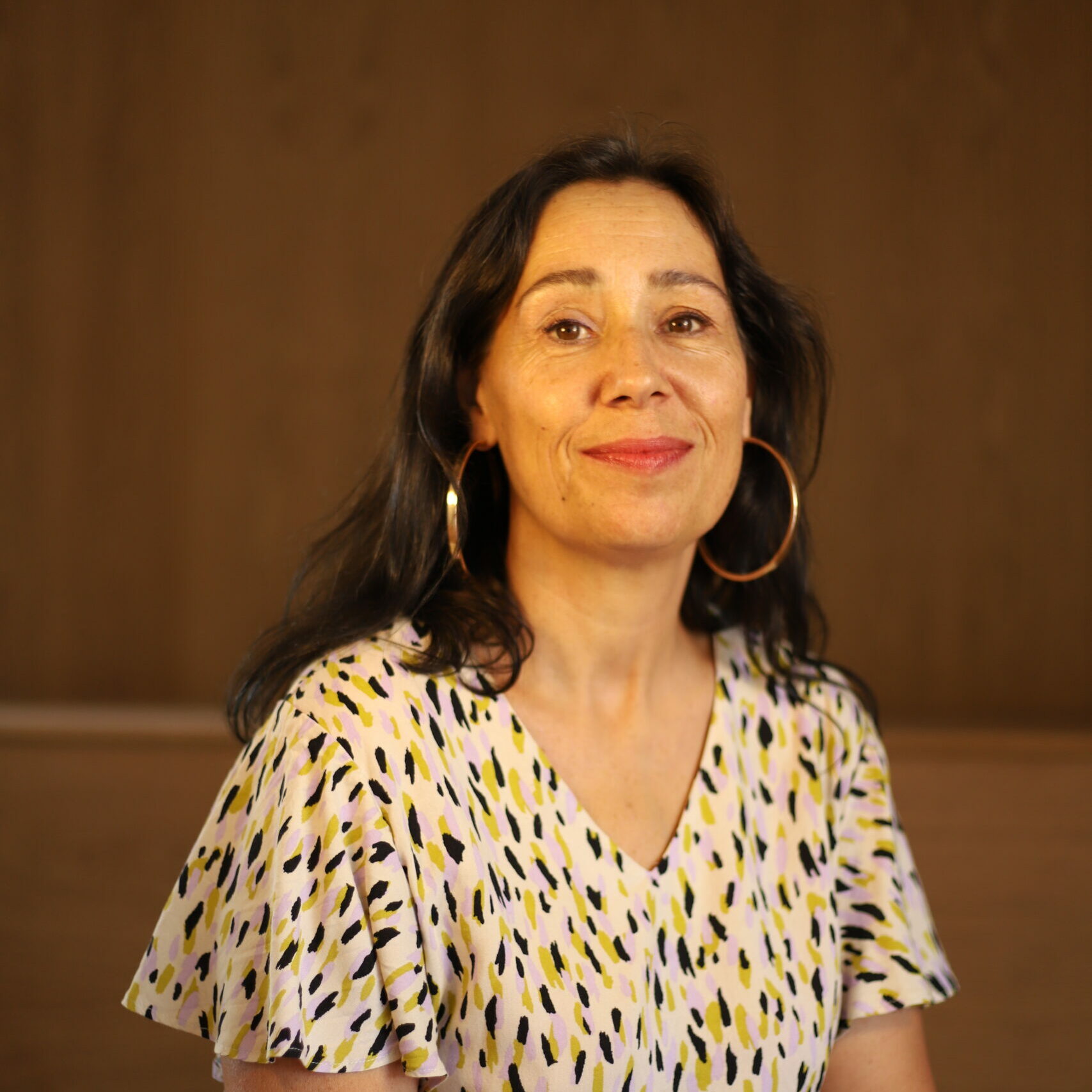
Véronique Hallo is a subscription manager in the Periodicals Department of the Bibliothèque Publique d’information, where she looks after the cinema periodicals collection. She has contributed to the Audience Award of the online platform Les Yeux doc since 2024 by co-presenting an annual screening session. As a cinephile and filmgoer, she has been attending the Cinéma du réel since she moved to the Paris region in 2021. She finds in documentary cinema a wide variety of forms which arouses her curiosity.
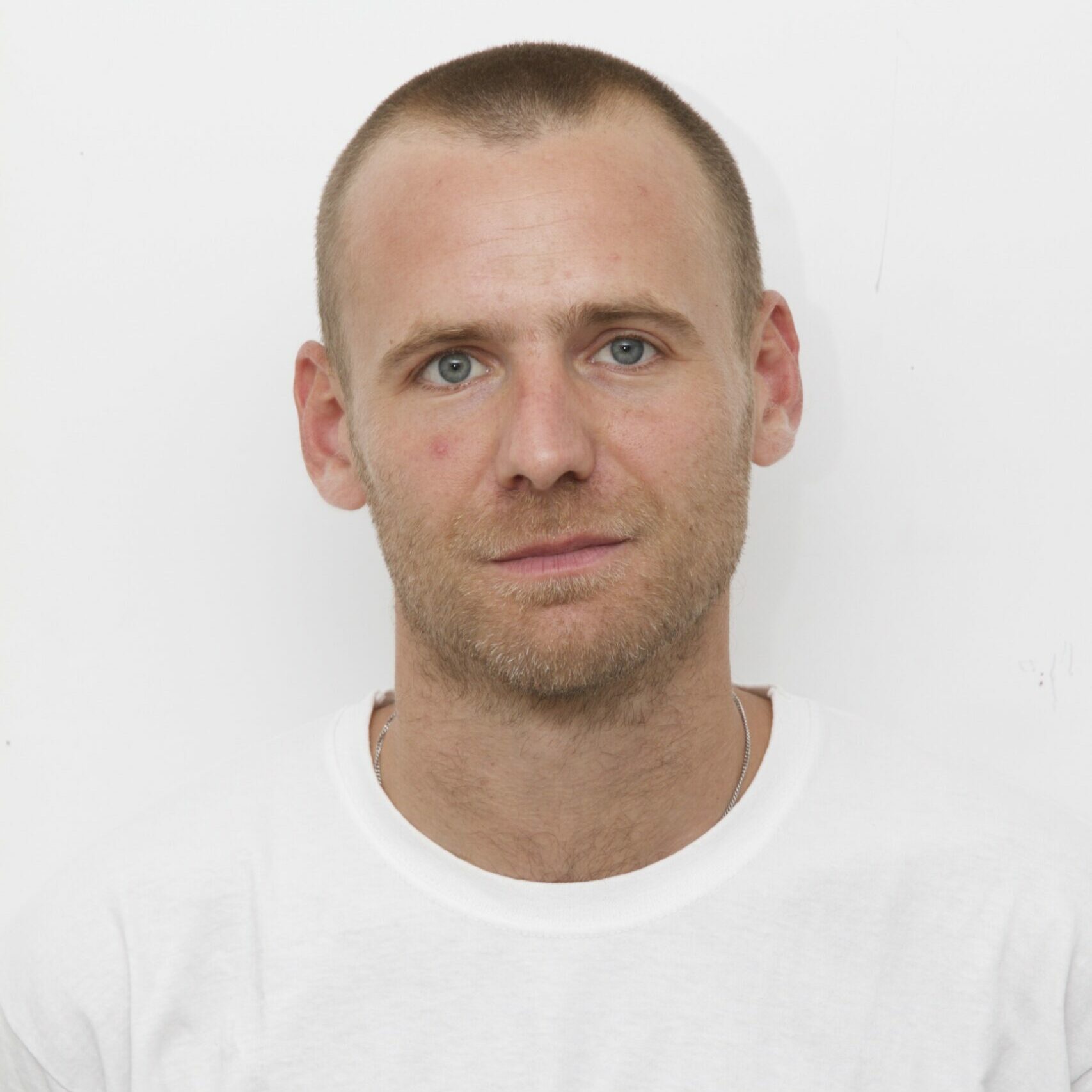
Paul Heintz is an artist and director. Born in 1989 in Lorraine (France), he first studied at the École des Beaux-Arts de Nancy, then obtained a degree in Literature and Cinema from the University of Lyon and studied at the École nationale supérieure des Arts Décoratifs in Paris. He completed his studies at Le Fresnoy – Studio National des arts contemporains, where he produced his first film Non contractuel in 2015. Between 2019 and 2024, he was represented by gb agency, and held two solo exhibitions with them. Paul Heintz has been featured at major contemporary art events and international film festivals such as FID Marseille, IFFR Rotterdam, Visions du Réel, Paris Nuit Blanche, as well as in art centers and museums such as the Centre Pompidou in Paris and Metz, and the FRAC Lorraine.
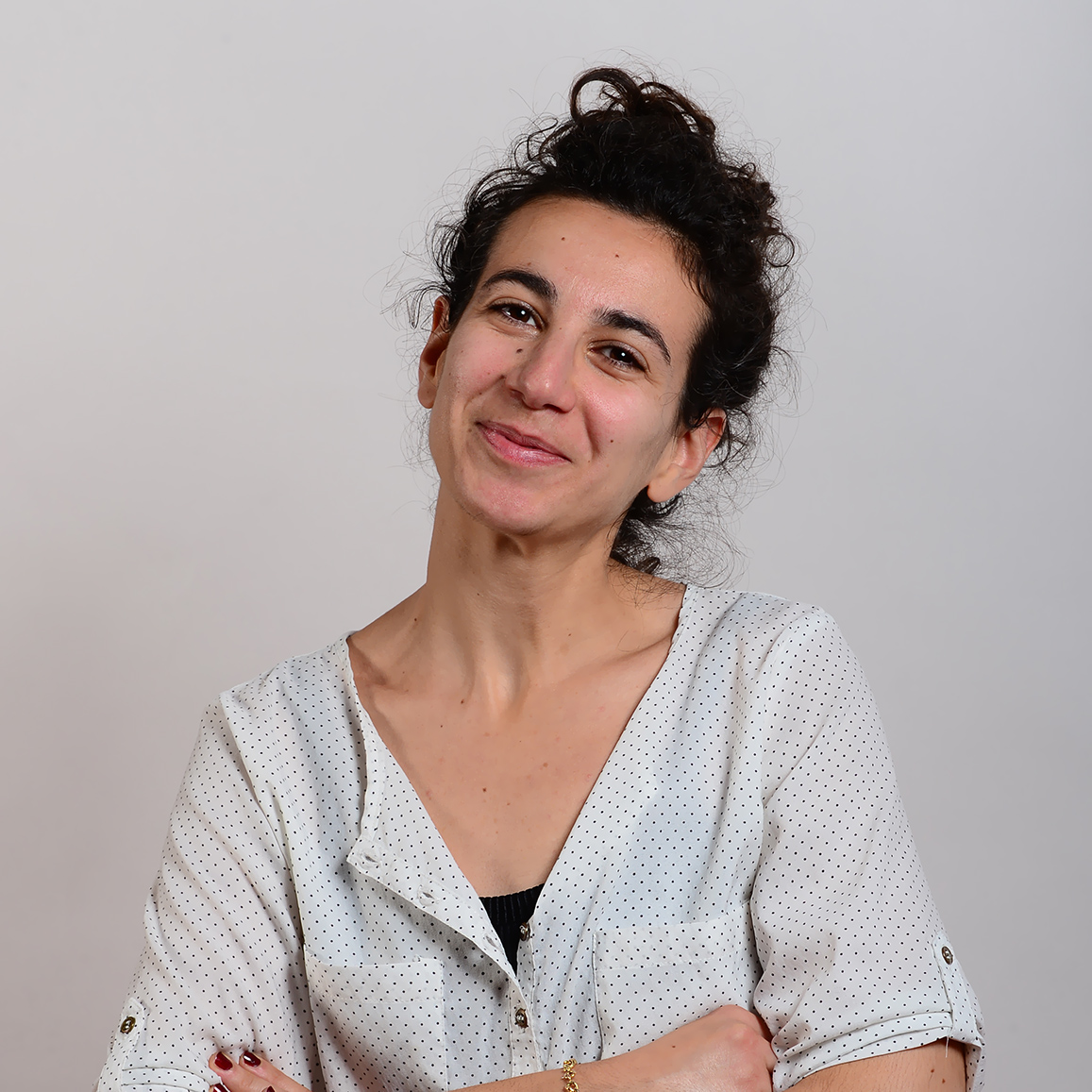
A regular cinema-goer for over 20 years, passionate about her work managing photo / audiovisual archives and assisting users, documentary films gradually found its way into Pauline Hutter‘s movie selections, thanks to Agnès Varda. Her growing curiosity for the richness of depicting reality in images is reflected in the organization of the “Documentary film month”, held every November at the Ecole des Arts Décoratifs – PSL.
© Béryl Libault
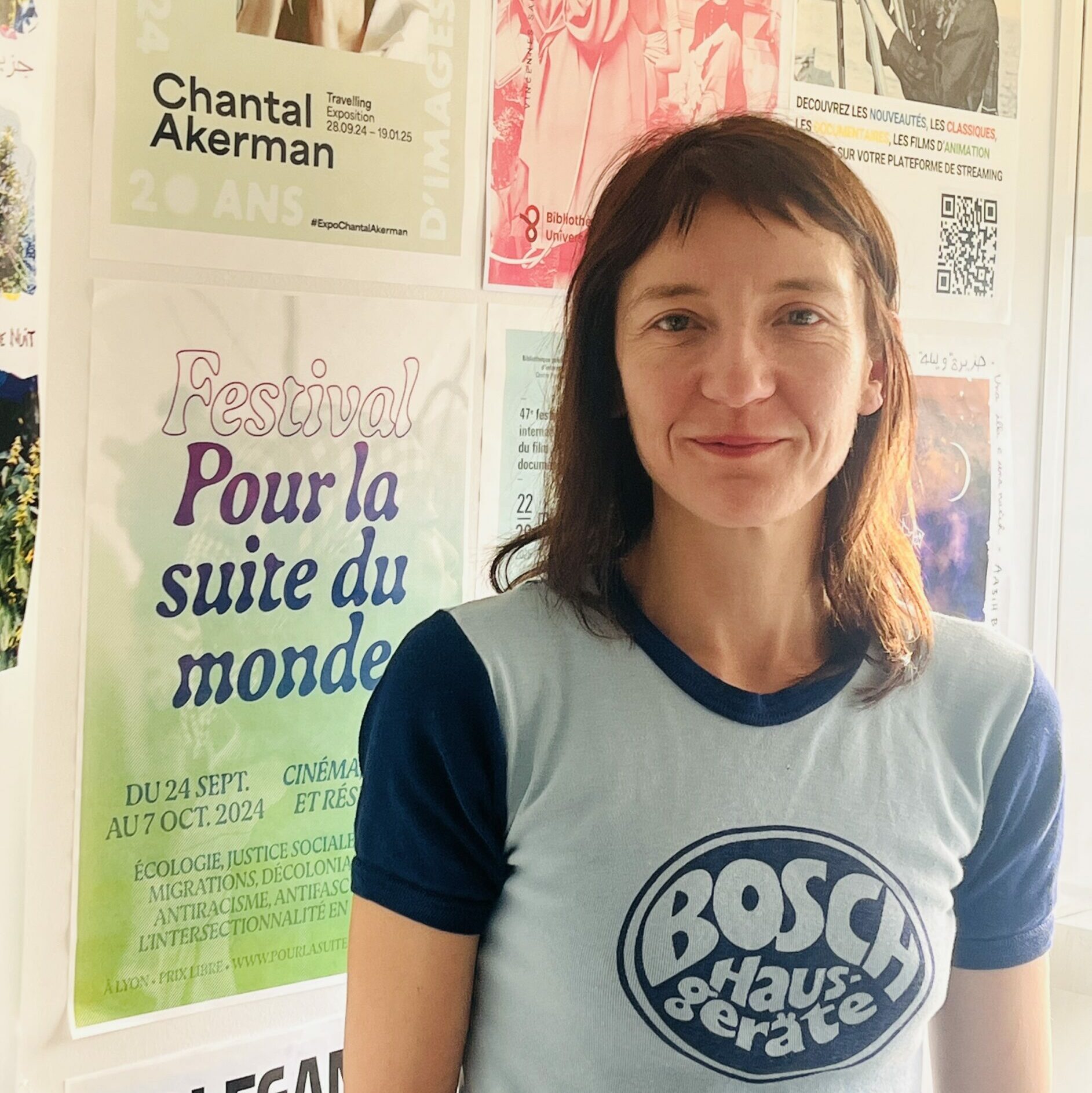
Anita Karlik is a librarian at Université Paris 8 in Saint-Denis and helps promote documentary cinema through screenings open to all, accompanied by filmmakers, critics, and students. She has worked at the Bibliothèque nationale de France (Sound-Video-Multimedia department) and at the Bibliothèque publique d’information as iconographer, after working in post-production and movie restoration and projection.
JURY ROUTE ONE/DOC
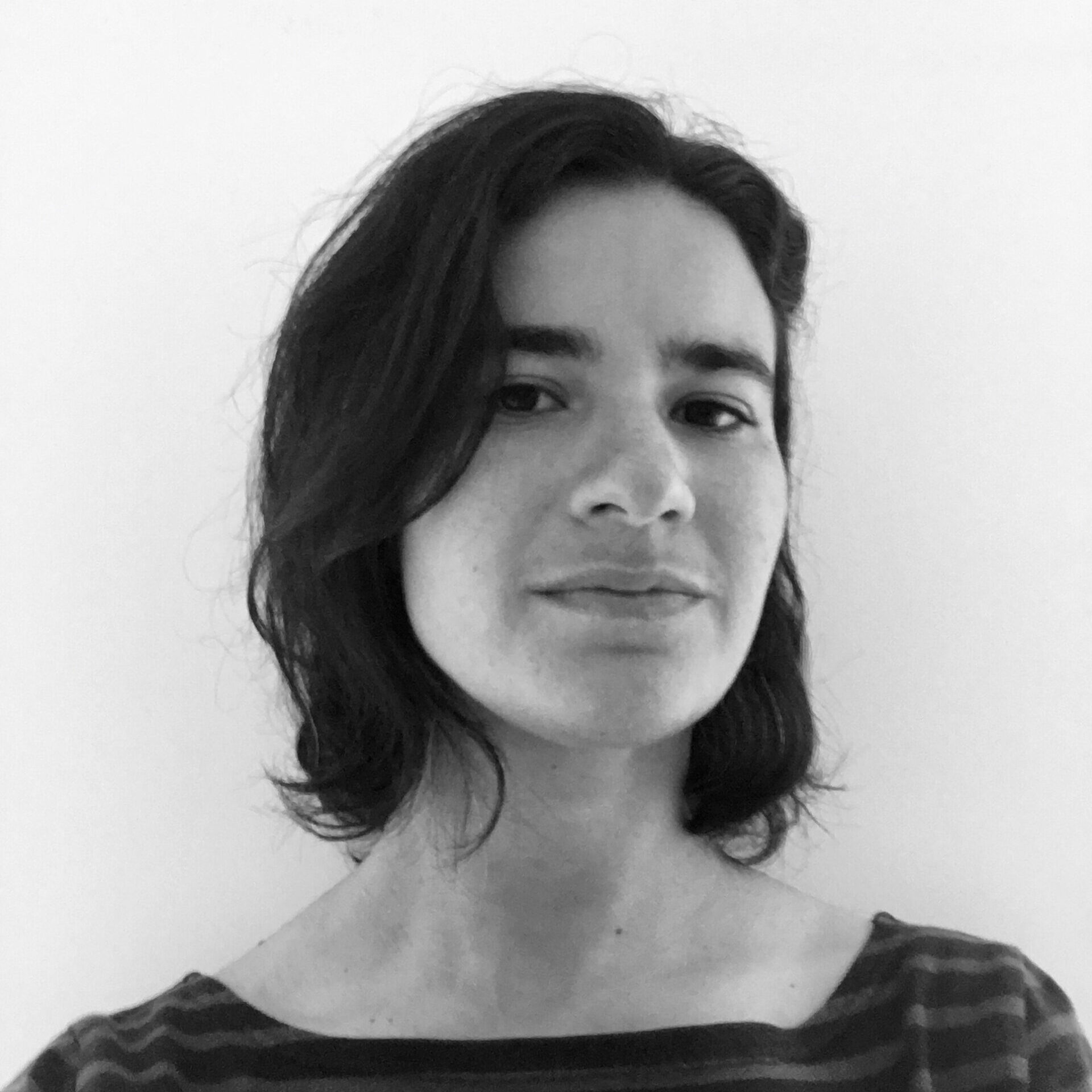
Engaged in a professional career dedicated to the production and distribution of independent cinema, Marie Lanne-Chesnot has worked with various festival teams, including the Directors’ Fortnight, Cinéma du réel, the Rencontres Internationales Paris/Berlin. She was also in charge of the EC Label and festivals within Europa Cinemas. In 2022, she produced, through the Swiss production company Andrea Film, Valentin Merz’s first feature film De noche los Gatos son Pardos, which premiered worldwide at Locarno. She is currently responsible for the Image/Mouvement production support committee at the National Centre for Visual Arts (Centre National des Arts Plastiques), dedicated to audiovisual projects linking cinema and the visual arts.

Armel Hostiou is a filmmaker who likes to play with cinematic forms. His films evolve at the crossroads of fiction, documentary and experimental cinema. Born in Rennes in 1976, he studied cinema at La Fémis cinema school in Paris before directing numerous short films, video installations and music videos. In 2008, he co-founded the Bocalupo Films production company which has produced his four feature films to this day: Rives (ACID Cannes 2011), Une histoire américaine (Viennale 2015), La Pyramide invisible (Cinéma du Réel 2019) and Le Vrai du Faux (CPH:DOX 2023).

Alexandra Mélot is a producer, videographer and editor. She first studied at the École des Beaux-Arts de Tours before obtaining a bachelor’s degree in Film Studies from Paris 8 University. In 1999, she worked as a directing trainee under Peter Watkins on La Commune (Paris, 1871). In 2003, during her residency at Le Fresnoy, she directed short fiction films, documentaries and an interactive video installation. Since 1999, she has edited around thirty award-winning films presented at international festivals. In 2016, she joined the board of directors of the Périphérie association in Montreuil. She joined Triptyque Films as a producer and participated in Eurodoc in 2020 with Imago, the first feature-length documentary by Déni Oumar Pitsaev, which won two awards at the 2025 Cannes Film Festival: the Œil d’or and the French Touch Jury Prize at Critics’ Week.
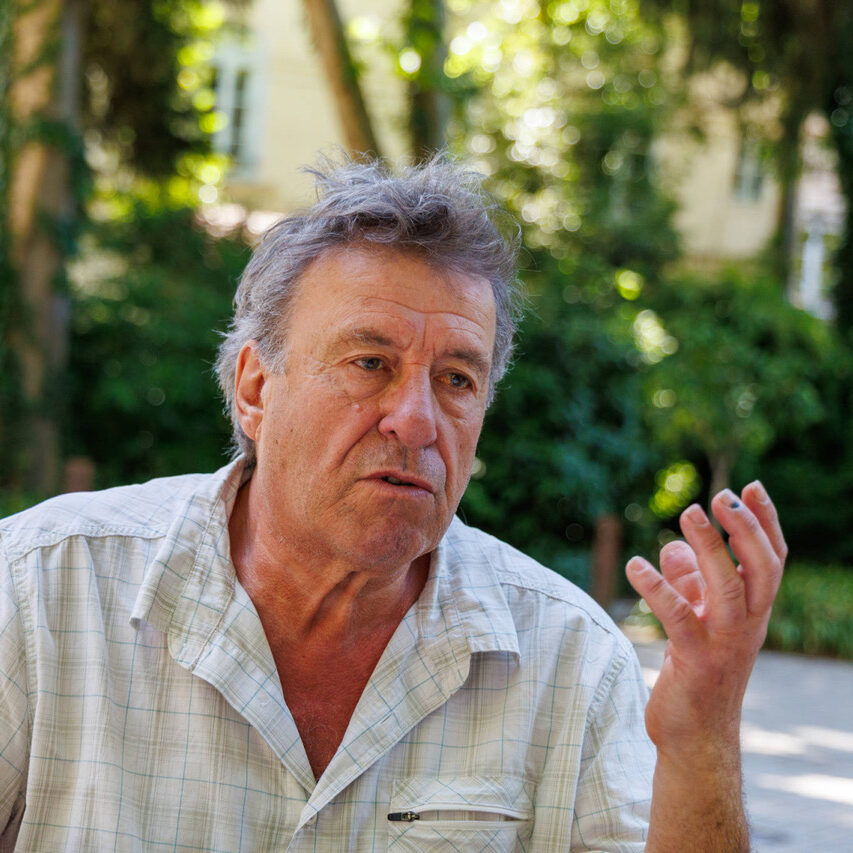
As a sound engineer working in both documentary and fiction films, Olivier Schwob has collaborated with filmmakers such as Bertrand Tavernier, Luc Moullet, Jacques Rivette, Agnès Varda, Laurent Chevallier, and Quentin Dupieux. He has directed Sacha et le Dresseur, Sacha et la décoratrice, Stock Car Family, and co-directed En Fanfare with Marin Rosenstiehl.
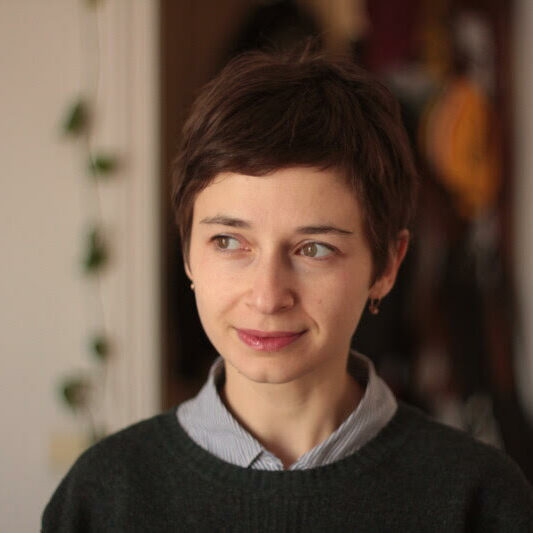
Leïla Tsakaiev is in charge of the Images de la Culture catalogue for the Cinémathèque du documentaire. This catalogue aims to promote documentary films, distribute them at reduced rates and make them more accessible. The RouteOne/Doc award funding is one of the initiatives of this catalogue.
JURY OF INMATES FROM THE BOIS-D’ARCY PRISON
The jury of inmates from the Bois-d’Arcy prison is made up of around ten inmates and two members of civil society : Salomé Chabert, Agathe Pasquier and Estelle Bagassien, students at Sorbonne Nouvelle.
AUDIENCE JURY
This year, to award the First window audience award, the five movies with most votes on mediapart will be submitted to an audience jury.
The jury is made up of people from festival’s partner associations who took part in a production workshop run by Les Yeux de l’Ouïe in the run-up to the festival.