A Blind Song
Un chant aveugle
- 2026
- France
- 63'
- French, Japanese
-
© Stefano Canapa, Natacha Muslera, Volte Film -
© Stefano Canapa, Natacha Muslera, Volte Film -
© Stefano Canapa, Natacha Muslera, Volte Film
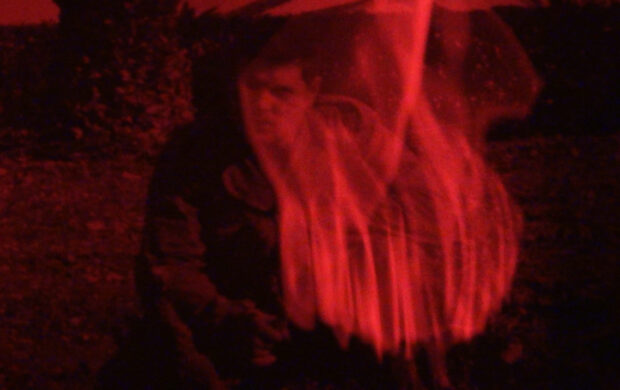
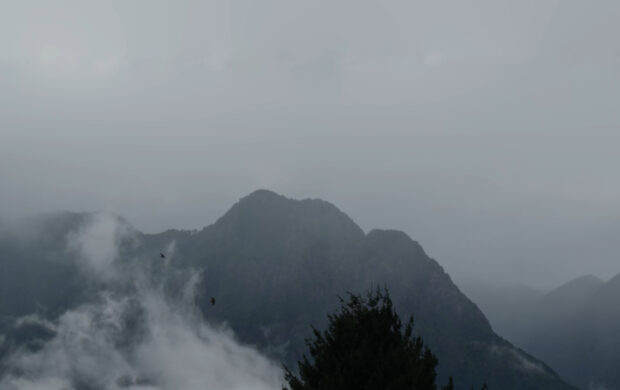
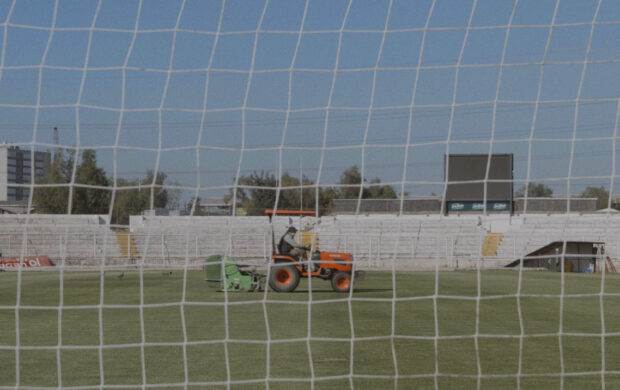
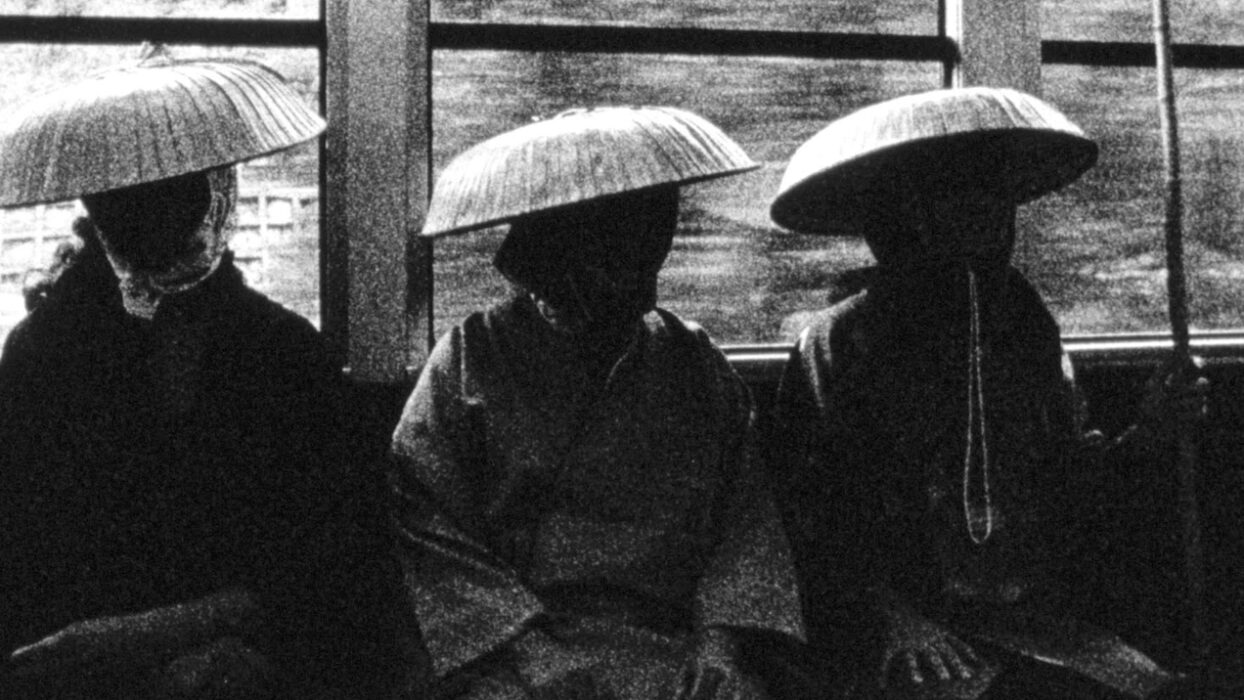
A choir of sighted and unsighted members travels to Japan to sing in the footsteps of the Goze, blind itinerant female musicians whose tradition dates back to medieval times and no longer exists today. Over the course of the journey, their paths, their voices, and moments in time intersect. And our eyes gradually get accustomed to the depths of darkness.
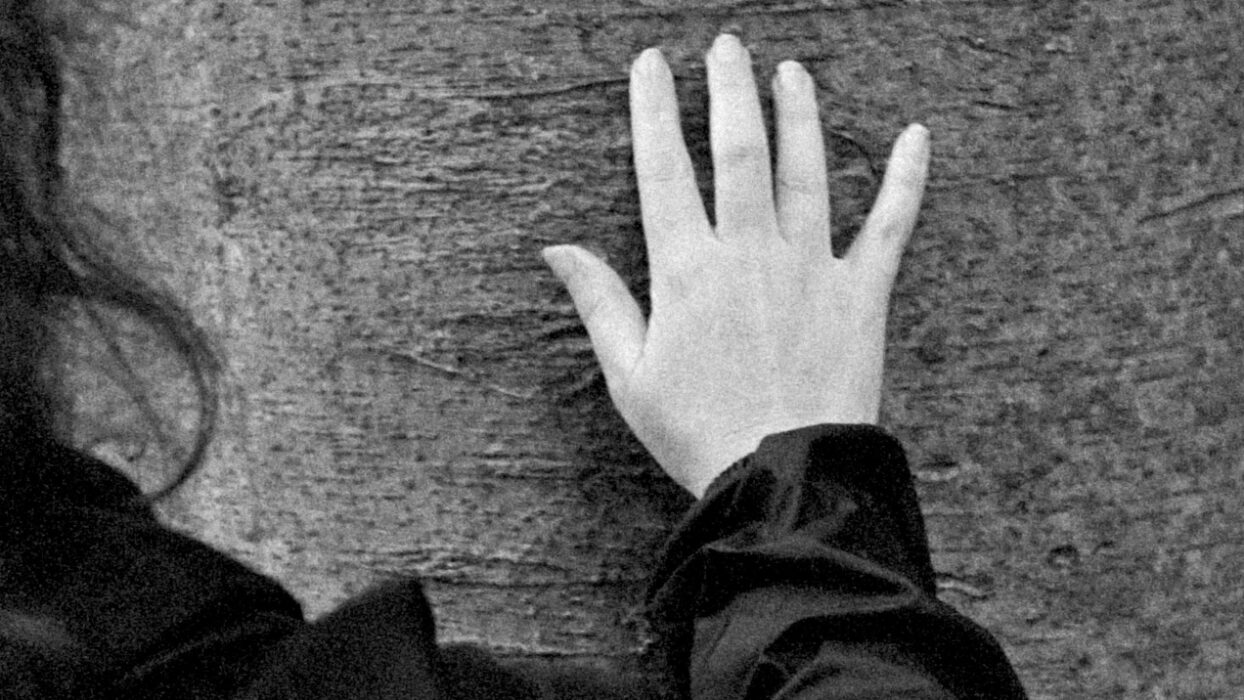
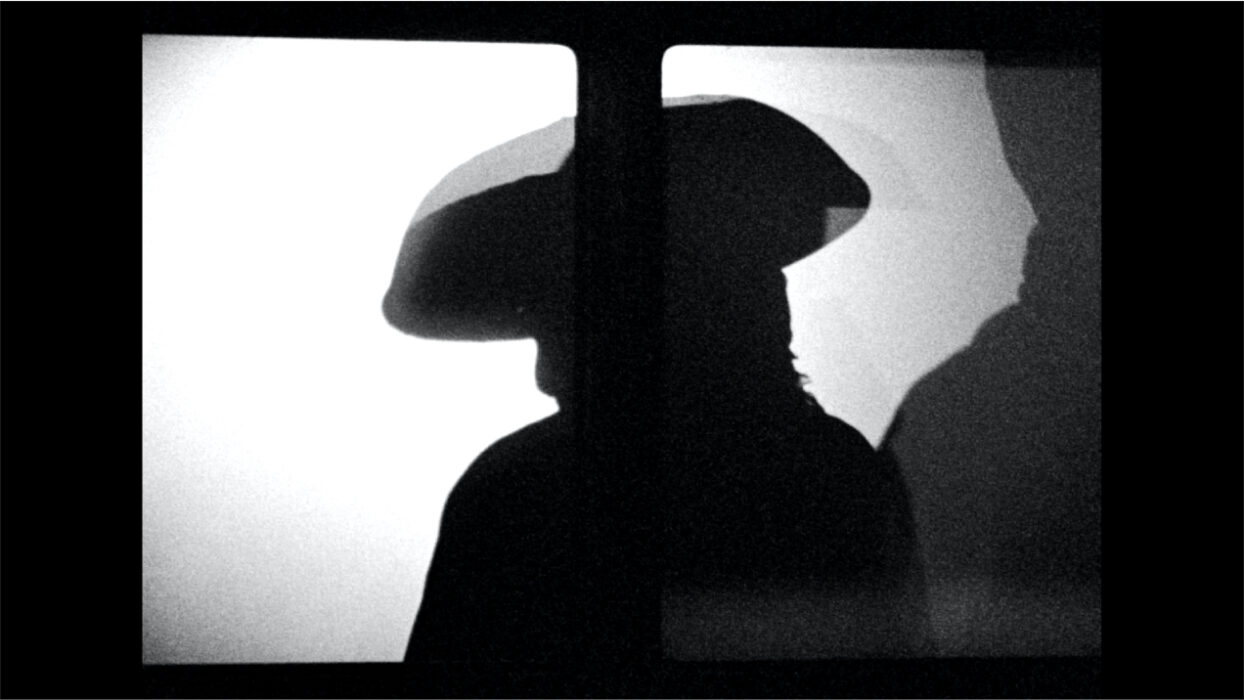
A Blind Song opens with a clap: a gesture to ensure that sound and image are in sync. A self-evident principle that, in fact, is a false start. For in this film, sound and image do not create synchronicity, but rather an interval where visual or sound vibrations circulate, to be felt rather than seen or heard. The first voice that greets us in this space is Angélique’s, who has been blind since birth and shares with us how she perceives the world. The film remains attuned to her by shifting its writing towards sound. Spaces to explore emerge far beyond the frame through the sound-writing by Cécile Sans, whose voice circulates amongst the sounds, vibrations and dissonances. Not as a commentary but as a further material. This writing accompanies the “tac-til choir” to which Angélique belongs on a trip to Japan, following in the footsteps of the goze, blind female musicians who would travel the country to appease the dead and recount stories with their drums and lutes, and songs that would conjure up invisible landscapes. The film alludes to them without ever actually showing them – hands, faces appear, placings re-arranged – and captures the resonances of their tradition. It seems as if the image also starts to listen. Between each mishap, each trembling, the film grains become shadows that make the unshown perceptible. Like shadows, distant or unfamiliar sounds as well as silences bring us closer to a world that can be read differently. Here, seeing no longer means simply looking, but rather letting voices open up landscapes within us.
Clémence Arrivé Guezengar
Stefano Canapa, born in Turin (Italy) in 1977, holds a Master’s degree in Film History and Technology. Since the late 1990s, he has been a member of the L’Abominable artists’ film laboratory, making experimental films, documentaries, performances, and installations with musicians from the field of experimental music. In a way, his approach lies at the intersection of these different genres. He often constructs his films from images drawn from his daily life, using simple staging, linking a manual and poetic approach to exploring the possibilities offered by the tools of analog cinema.
His work has been presented and awarded prizes at numerous international festivals, exhibitions, and alternative venues (Locarno, Rotterdam, Berlin, Oberhausen, Marseille, Paris, Barcelona, Seoul, New York, Toronto, Montreal, etc.).

Natacha Muslera is a musician, composer, and filmmaker. Since the 1990s, she has devoted herself to experimental and poetic research into the voice as an instrument. She nurtures free and collective vocal practices in a variety of contexts and plays in various multidisciplinary groups and collectives.
In the early 2000s, she began making films and performances that experiment with the relationships between sound and image, image and voice, where the experience of listening amplifies that of seeing. Over time, Natacha has recorded the sounds of the world: sound ecosystems and shortwave radio, struggles, languages, and inarticulate songs. With this material, she composed for cinema and radio (France Musique, France Culture, BBC, Radio Grenouille, etc.). She has co-directed in 2021 L’année qui vient with Stefano Canapa.
- Subtitles : original version in French with English subtitles
- Production company : Volte Film
- Print Contact : Stefano Canapa / canapa.stefano@gmail.com
- Photography : Stefano Canapa
- Sound : Lionel Marchetti
- Editing : Jérémy Gravayat, Stefano Canapa, Natacha Muslera
- Audio writing and voice : Cécile Sans
- Music : Lionel Marchetti, Natacha Muslera