The Serpent in Bonanjo
Le Serpent à Bonanjo
- 2026
- Cameroon, United States
- 13'
- English, French
-
© Max Mbakop, Lilia Kilburn, CINEMA NYANGA NJANGI -
© Max Mbakop _ Lilia Kilburn _ CINEMA NYANGA NJANGI -
© Max Mbakop _ Lilia Kilburn _ CINEMA NYANGA NJANGI
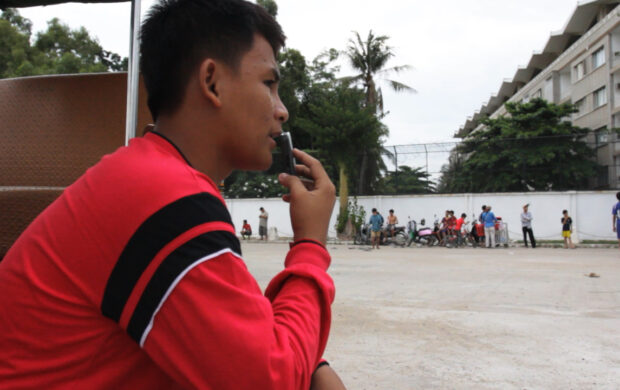
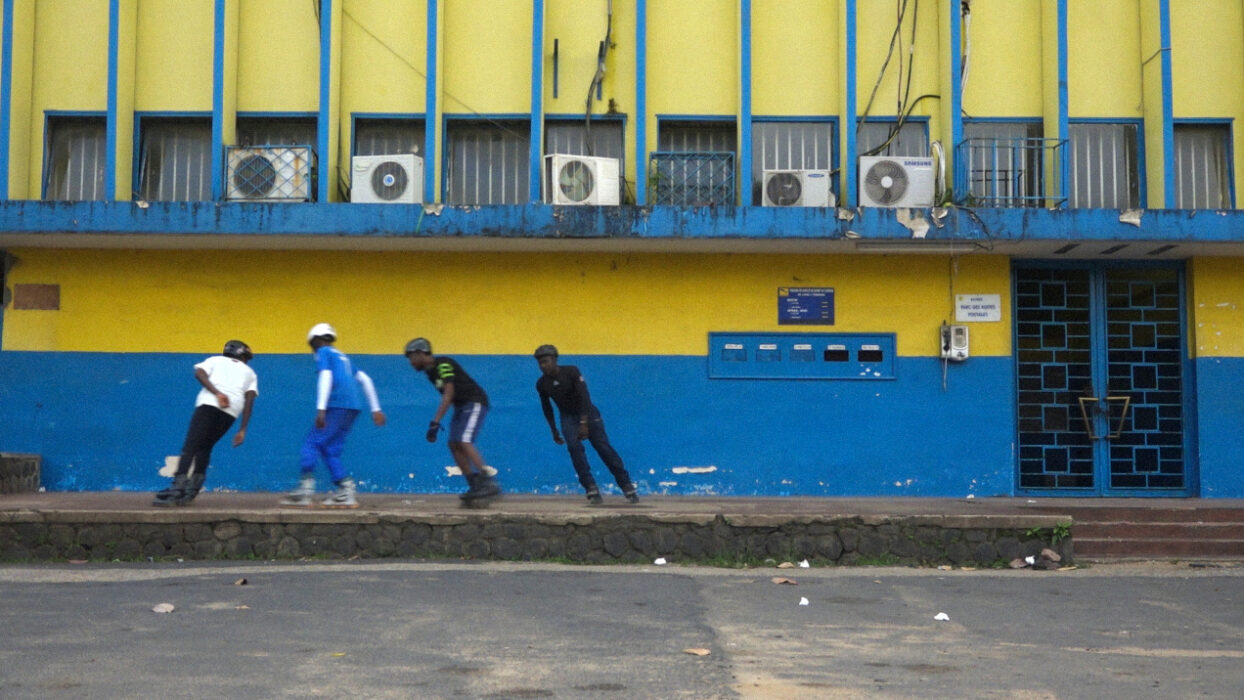
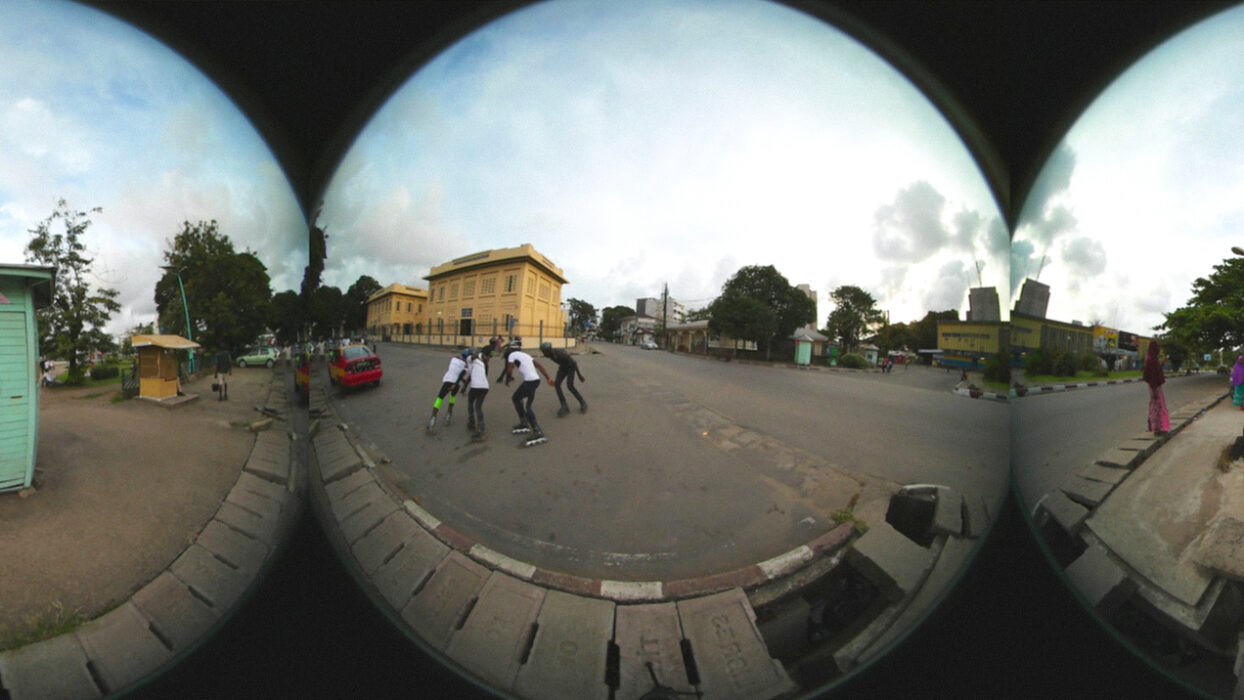
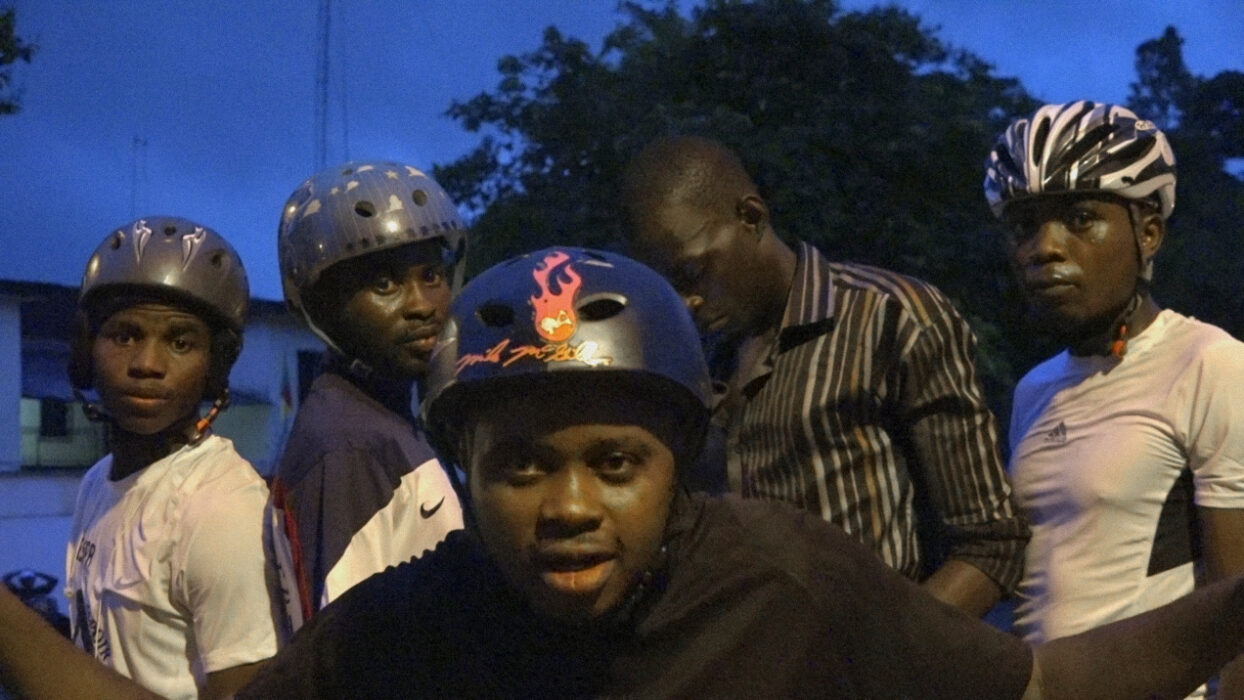
In the Douala neighborhood of Bonanjo, Baba and his friends rollerblade in the shade of a wall built by a French billionaire to block the sea. Amidst the specters of anticolonial resistance, they practice the serpent for hours.
In Douala’s Bonanjo neighbourhood, the purring of rollerblades on tarmac resonates in the silence of a space left empty due to an inconsistency. An off-screen voice tells us with a certain nonchalance, in step with what we see unfolding on screen, that Bonanjo was where the former German then French administrations had been located. As a result, the neighbourhood was subject to colonial prohibitions, particularly one forbidding Cameroonians from living there. To ensure the whites’ tranquillity, commercial motorcycle taxis were also banned. A ban that has still not been removed from Cameroon’s criminal code, and so the space stands empty. A void or calmness constrained but useful for the rollerblade club to practise the “serpent”: a technical figure executed by a group. Equally spaced bodies follow one another in a moving line. They disappear then reappear in the frame, tracing a path in this space brimming with history, taking advantage of its scars. In Bonanjo’s streets, named after Frenchmen who occupied and aggressed: De Gaulle, Loti, Carras…, a violent past emerges prolonged by the present-day occupation of billionaires such as Bolloré, for whom colonisation has taken a different form and who continues to divide, forbid access, create segregated spaces, take over territory. The film observes how these strata coexist to the sound of the serpent’s blades, which silences nothing. Quite the contrary, the serpent seems to listen, patiently following the past of its mischievous movement.
Clémence Arrivé Guezengar

Max Mbakop, born in Ndoungué, Cameroon, is the son of a teacher. He traveled to many cities due to his father’s various jobs. This itinerancy was the catalyst for his exposure to diverse cultures, awakening in him a desire to perceive the world and humanity from a different perspective. Today, Max is a Cameroonian filmmaker and visual artist based in Douala. He is the founder of the theater company Cie Horiz’art and Kam’Art Corp, an audiovisual company. Max first trained in theater and scenography with Kouam Tawa, Martin Ambarra, and Were Were Liking. Later, he met the late Goddy Leye, who helped him participate in a video art workshop at Art Bakery. This led him to the world of cinema, where he also trained with director Vincent Ndoumbe. He has exhibited at festivals and galleries.

Lilia Kilburn is born in Boston, she is an artist and doctoral candidate in anthropology and critical media practices at Harvard, where she is also a fellow at the Film Study Center. Working since 2012 between Cameroon and the United States, she collaborates on works that explore the complex links between the two regions. She regularly teaches filmmaking courses and this year contributed to the public programming of the Harvard Film Archive and the Institute of Contemporary Art in Boston.
-
- Sun 22
- March
- 20h45
- Saint André des Arts 3
- Book
- + débats/Q&As "Le serpent..." + "Suburbia..."
-
- Tue 24
- March
- 16h15
- Arlequin 1
- Book
- + débat/Q&A The Night Seekers
-
- Fri 27
- March
- 19h00
- Bulac
- Entrée libre
- Subtitles : original version with French and English subtitles
- Production company : Cinema Nyanga Njangi
- Print Contact : cinema.nyanga.nyangi@gmail.com
- Photography : Lilia Kilburn, Max Mbakop, Sue Ding
- Sound : Tombe Franklin, Caroline Ngouegni
- Sound design : Ernst Karel, Felipe Esparza Pérez
- Editing : Lilia Kilburn, Felipe Esparza Pérez
- Music : Binyou Bi-Homb