Shot Reverse Shot
Plan contraplan
- 2026
- Romania
- 22'
- English, Moldavian, Romanian
-
© Radu Jude, Adrian Cioflâncă, SAGA FILMS -
© Radu Jude, Adrian Cioflâncă, SAGA FILMS -
© Radu Jude, Adrian Cioflâncă, SAGA FILMS
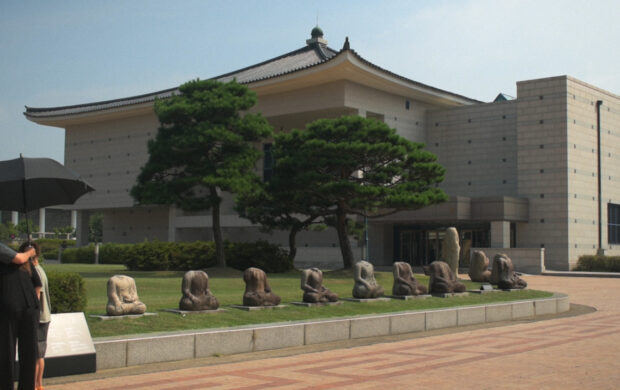
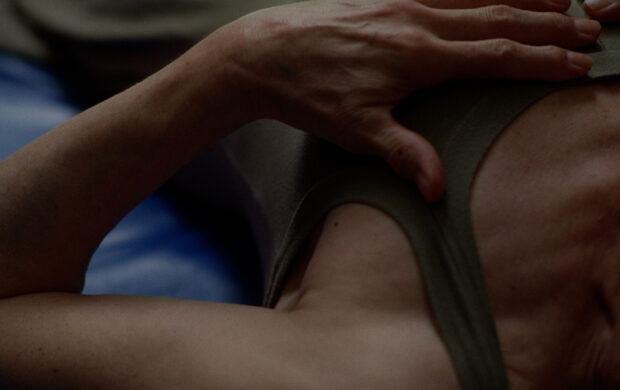
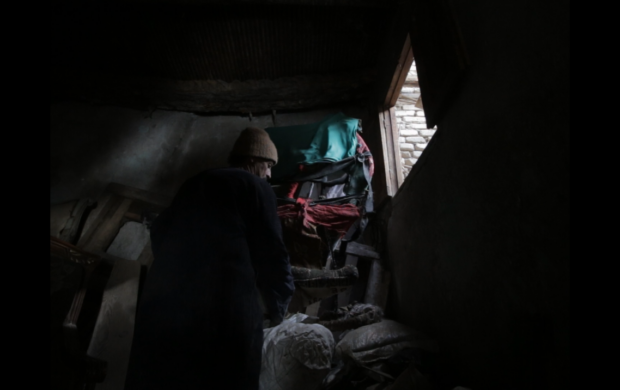
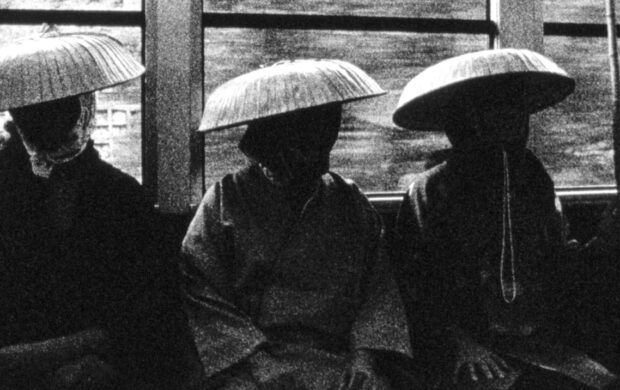
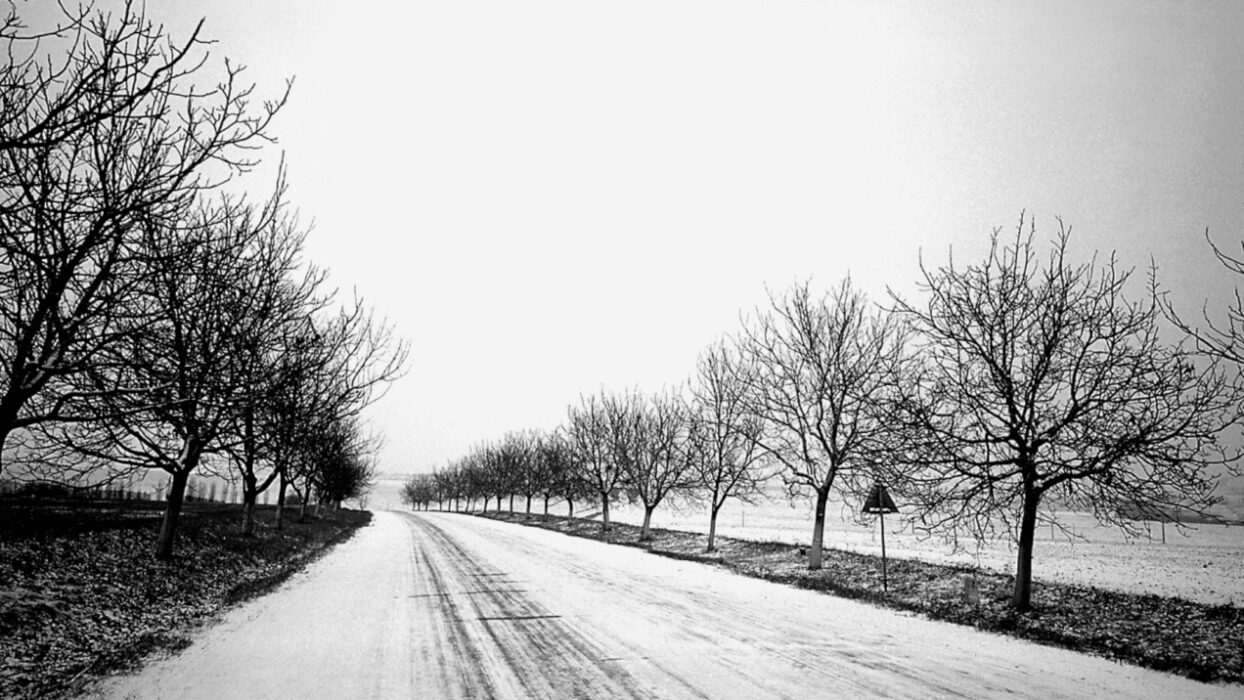
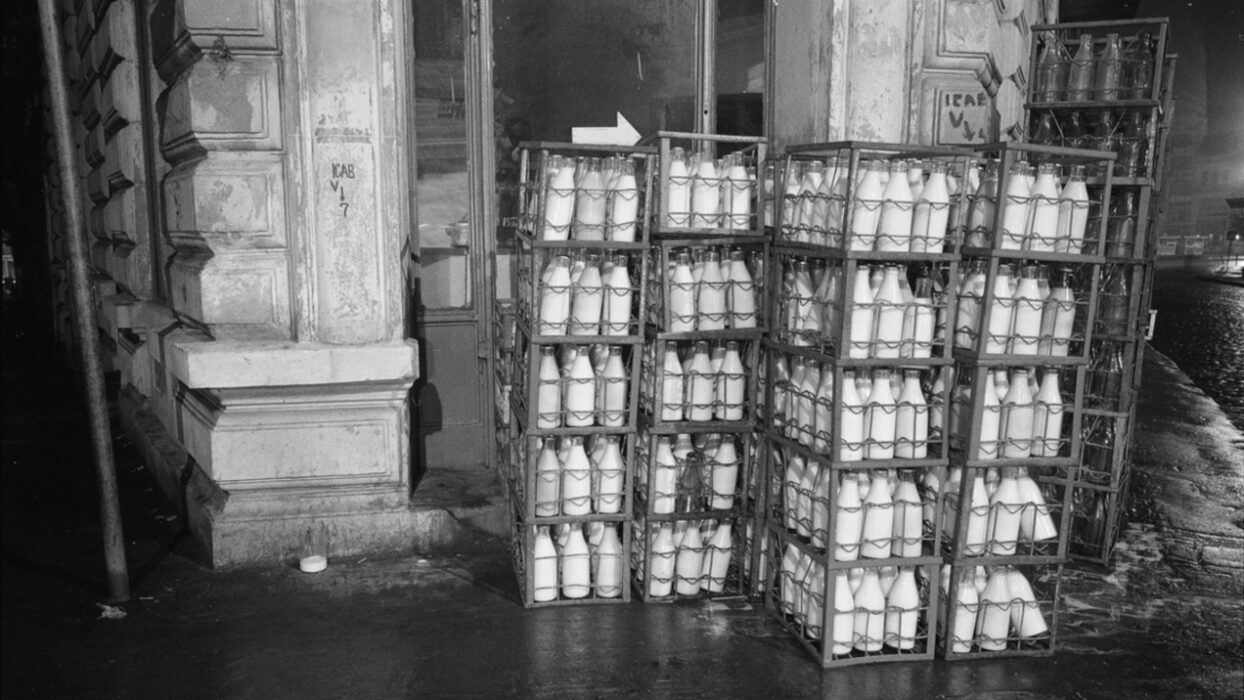
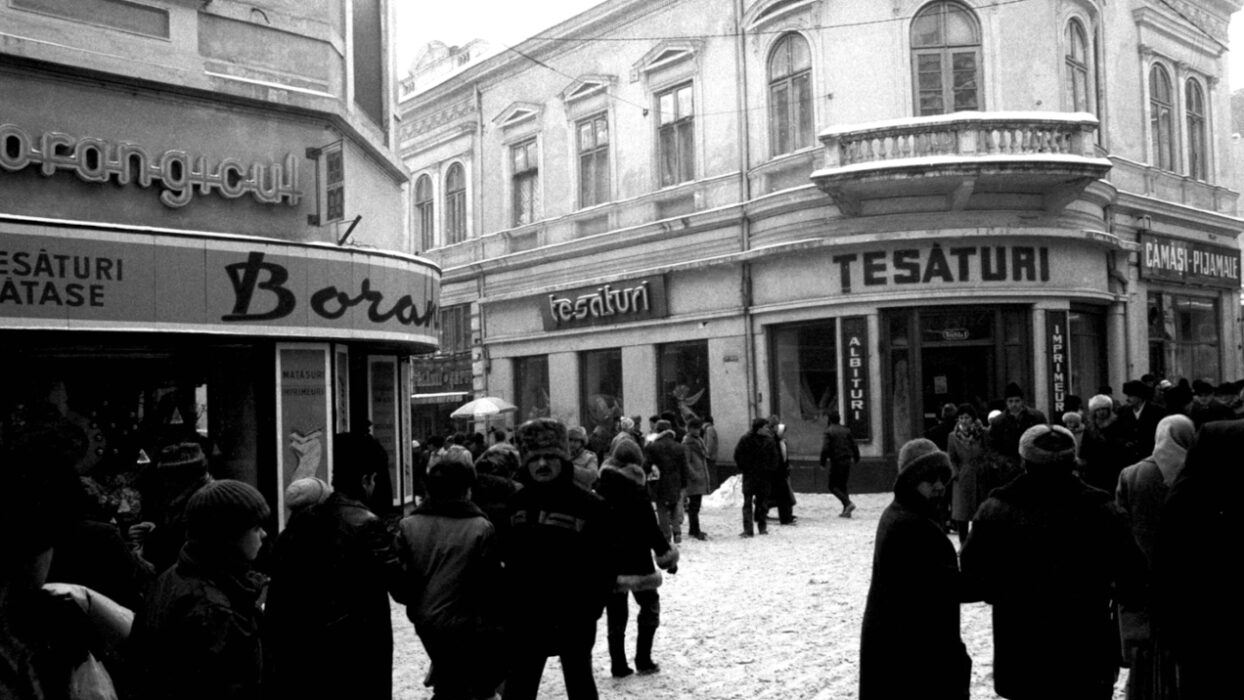
Between 1985 and 1987, American journalist Edward Serotta photographed daily life in Communist Romania. The Securitate secretly photographed him in return. Forty years later, the two archives meet in a shot reverse shot revealing the irony of History.
A few years after collaborating on The Exit of the Trains – a vast film that memorialises the 1941 Iași pogrom – filmmaker Radu Jude and historian Adrian Cioflâncă pursue their critical exploration of archives, and their reflections on image making, this time turning their attention to the last decade of the communist regime.
Constructed in two parts, Shot Reverse Shot brings together two photographic collections from 1980s Romania: the lively images of American journalist Edward Serotta – who documented daily life under Ceaușescu, particularly that of the Jewish community – and the clandestine photographs taken by the Securitate, the Romanian secret police, who monitored Serotta’s every move. This opposition is extended by the confrontation, in voice-over, between Serotta’s account of his experiences and encounters, and a commentary that adopts the neutral tone of police reports. The film reveals a discrepancy between authenticity and pseudo-objectivity. Based on a literal and conceptual shot-reverse shot, this device creates a mise en abyme of the gaze and highlights the irony of a surveillance state which, in turn, becomes the object of surveillance. Jude and Cioflâncă offer a lucid and subtly caustic meditation on images of control and the fantasy of capturing a reality that can only elude us.
Nepheli Gambade

Radu Jude is a Romanian film director and screenwriter known for his incisive and unconventional explorations of history, memory, and social identity. His feature debut, The Happiest Girl in the World (2009), premiered to wide acclaim and was selected for more than 50 international film festivals. He went on to direct a series of highly praised films, including Everybody in Our Family (2012), Aferim! (2015), Scarred Hearts (2016), I Do Not Care If We Go Down in History as Barbarians (2018), and Uppercase Print (2020). Each of these works earned numerous awards and established Jude as one of the most distinctive voices in contemporary European cinema. In 2021, his provocative satire Bad Luck Banging or Loony Porn won the Golden Bear at the Berlin International Film Festival. His following film, Do Not Expect Too Much from the End of the World (2023), received the Special Jury Prize at the Locarno Film Festival. His feature, Kontinental ’25, a low-budget independent production, was honored with the Silver Bear for Best Screenplay at the 2025 Berlinale, while his most recent Dracula won the Second Prize of the Junior Jury Award at the 2025 Locarno Film Festival.

Adrian Cioflâncă was born in Piatra Neamt, Romania in 1974. His work as a historian focuses chiefly on the Holocaust, communism and political violence. He is director of the ”Wilhelm Filderman” Center for the Study of Jewish History in Romania and member of the Collegium of the National Council for the Study of the Securitate Archives. Adrian Cioflâncă has been a consultant on several films and theatre plays and co-authored several short documentaries for the Romanian Public Television. Two of his films, co-directed with Radu Jude – The Exit of the Trains (2020) and Memories from the Eastern Front (2022) – had its world premiere at Berlinale.
- Subtitles : original version with French and English subtitles
- Production company or Self-production : Saga Film
- Print Contact : Alexandrina Rusu / alexandrina.rusu@sagafilm.ro
- Sound : Sebastian Zsemlye
- Editing : Câtâlin Cristuțiu