Landless children
Les Enfants sans terre
- 2026
- France, Chile
- 97'
- Spanish, French, Mapudungun, Swedish
-
© René Ballesteros, LES FILMS D'ICI -
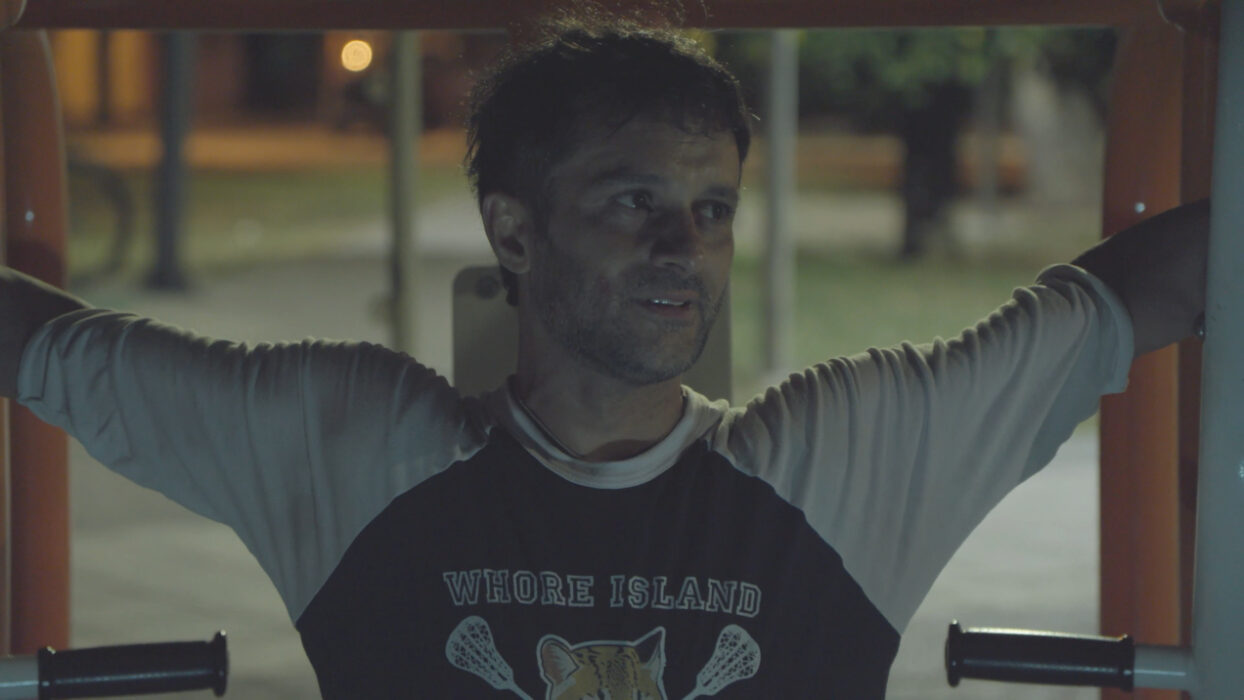
© René Ballesteros _ LES FILMS D'ICI -
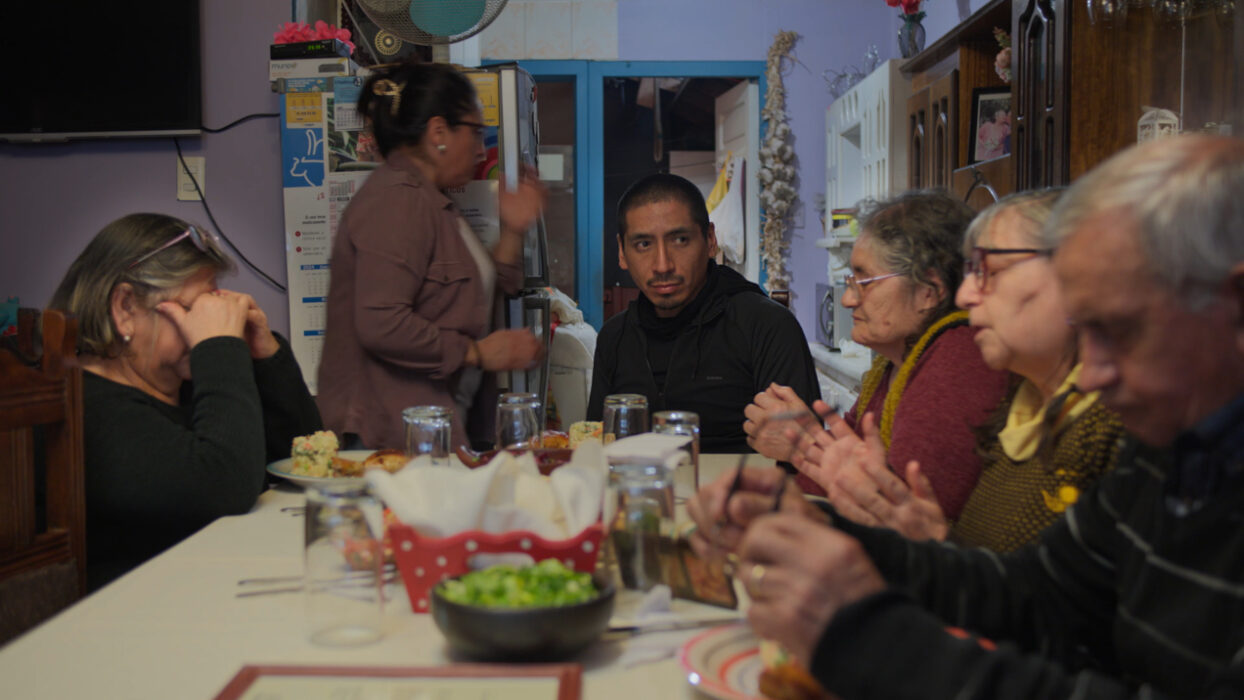
© René Ballesteros _ LES FILMS D'ICI
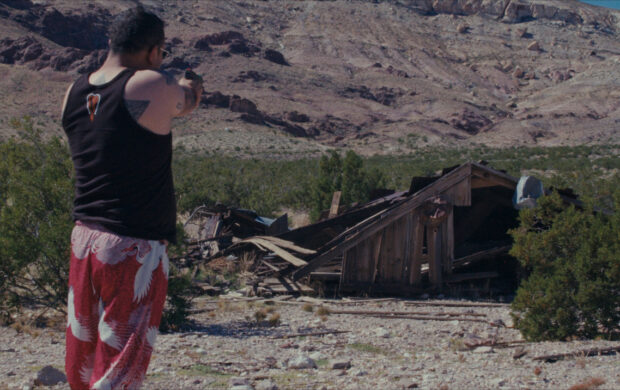
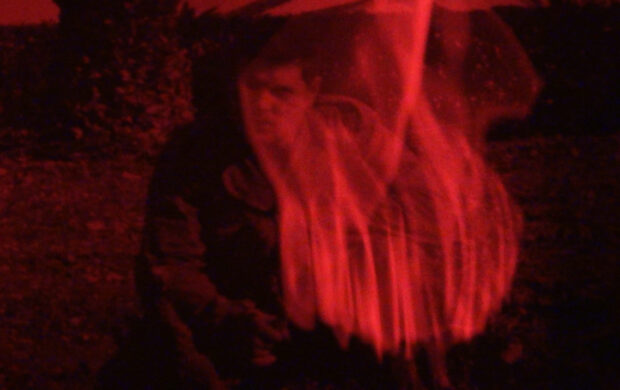
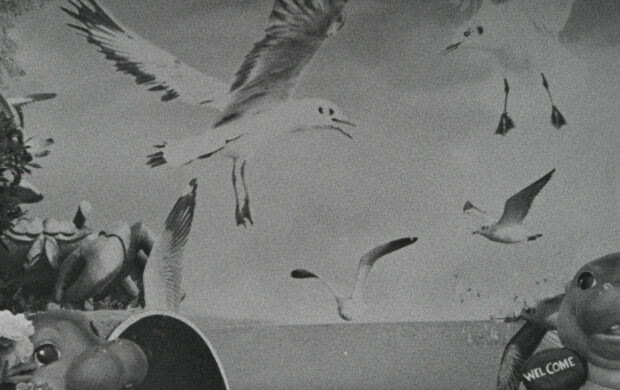
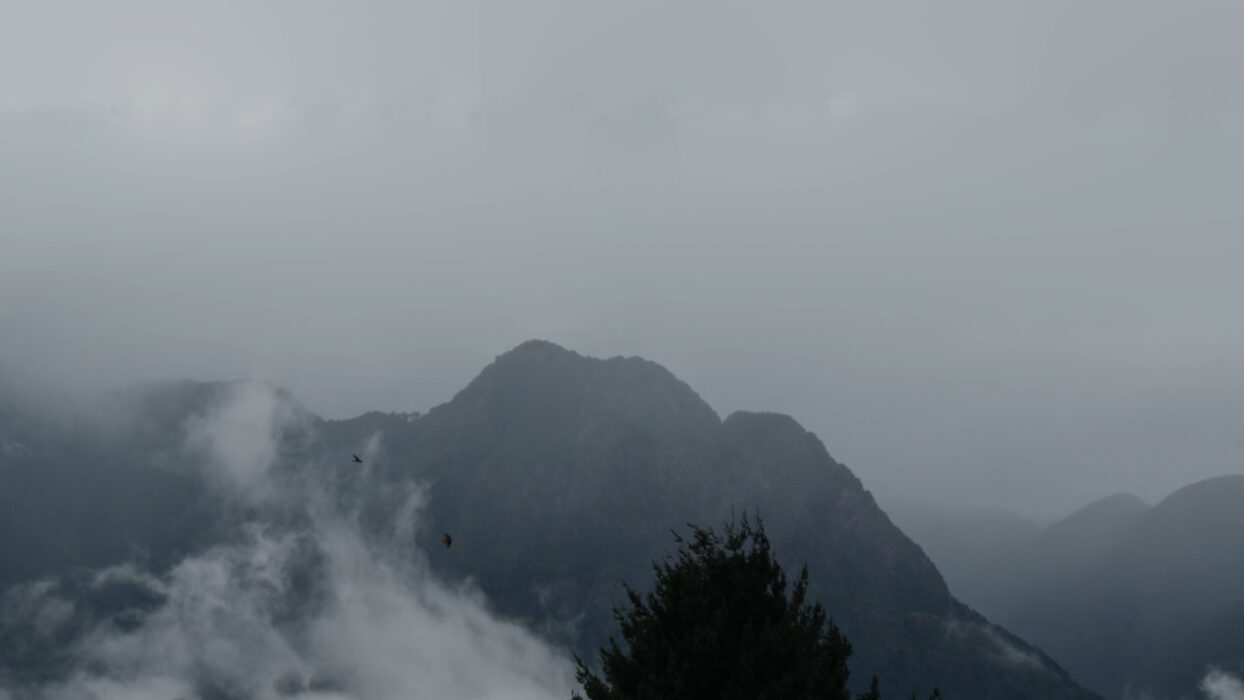
In France, Juan dreams of the death of an unknown old woman. Later, he learns that his biological mother died that night. In Sweden, Daniel discovers that he was declared dead at birth. They set off in search of their forgotten homeland in southern Chile.
In the 1970s and 80s, in Chile, some 20,000 children were sent to Europe for adoption in highly dubious circumstances. Many of these children, stolen from hospitals and sold to Westerners, came from indigenous Mapuche families. René Ballesteros accompanies two of them, Juan and Daniel, in their search for the origin – if this word still makes sense – that was wrenched from them. The filmmaker, sometimes acting as interpreter, always a solid presence, seems to understand their stories, even sharing them, and finds the way to transmit the layers of dispossession that cover the bodies and stories of the protagonists. For what is a land, if not a force that forges bodies? And how can you become someone you couldn’t be? Within this dissonance, Daniel is searching for the identity that was stolen from him. As for Juan, he returned to Chile following a premonitory dream that apparently coincided with his mother’s death and seems to have served as an invitation. Once there, he delves into his history, looking, as he says, for a truth he can choose. Like his mother who reached out to him in his dream, perhaps the Mapuche land is calling him and allowing him to be there. The film patiently welcomes and follows their searches, stays by their side in this place imbued with rejection and a persistent belonging. Being “without a land” for Juan and Daniel, is apparently not the absence of ground, but rather having to build themselves on a rift, on an unstable inner territory that only the ties formed during their quests seem able to strengthen.
Clémence Arrivé Guezengar

René Ballesteros was born in Chile, 1975. He is a psychologist (Universidad de la Frontera, Temuco), film director and screenwriter. After working in prisons for minors and with street children in Araucania, he studied filmmaking at the Université Paris VIII and Le Fresnoy (France). In 2010, his first feature documentary, La Quemadura, won the Joris Ivens Award at Cinéma du Réel, Best Documentary at Documenta Madrid and Best Chilean Director at SANFIC 2010, among others. In 2011 he was selected for the Résidence de la Cinéfondation at the Cannes Film Festival. As a screenwriter, he co-wrote Los versos del olvido, by Alireza Khatami, which won the Orizzonti Award for Best Screenplay at the Venice Film Festival 2017. Los sueños del castillo, his second documentary, premiered at the Valdivia International Film Festival 2018 and won the Best Chilean Film Award and was in competition at Cinéma du réel in 2019, where is won the Sacem Award.
- Subtitles : original version with French and English subtitles
- Production company : Les Films d'Ici, La Madre, La Ballesta Films
- Print Contact : Céline Païni / celine.paini@lesfilmsdici.fr
- Screenplay : René Ballesteros, Johanne Schatz
- Photography : David Belmar, Joakim Chardonnens, René Ballesteros
- Sound : Andre Millan, René Ballesteros
- Editing : Romina del Rosario